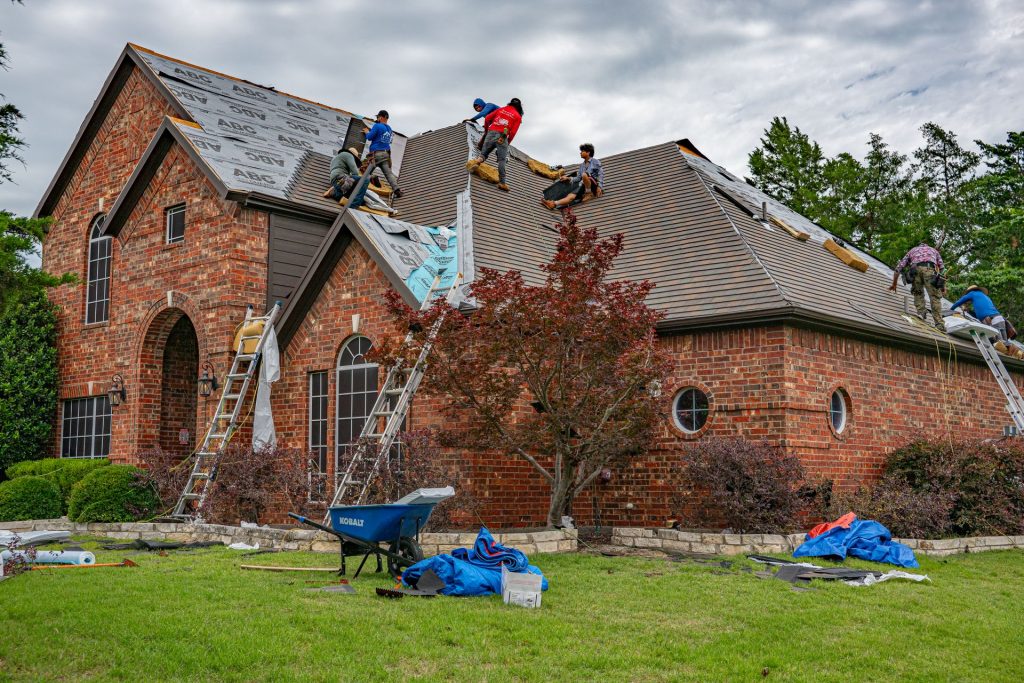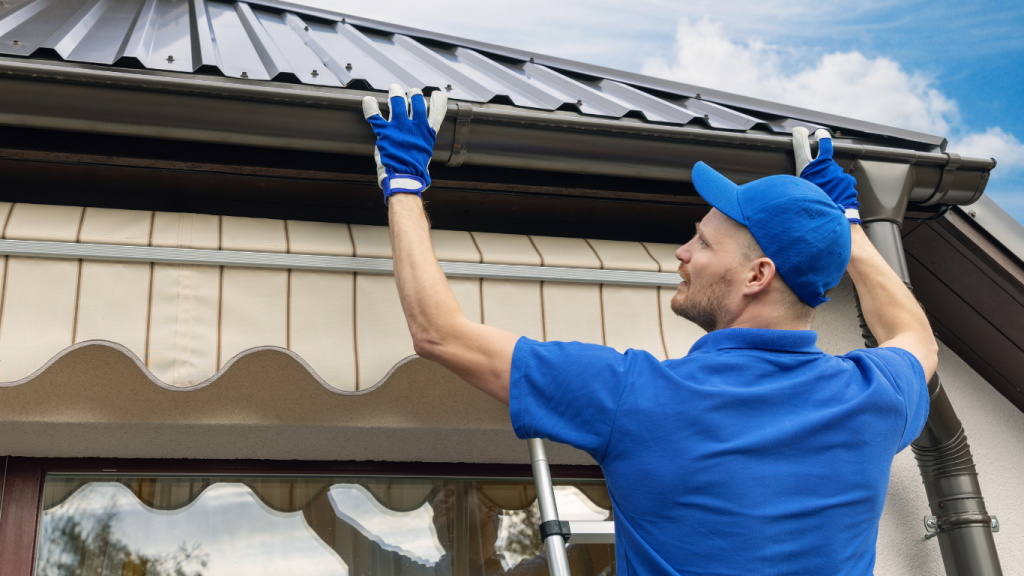

Roofs are typically out of sight, making it easy to overlook issues and postpone repairs. Unfortunately, when an issue does arise, it typically requires immediate repair. Sometimes, roofing problems can be so severe that your entire roof needs a replacement. We are often asked whether a repair or replacement is the best choice, as the right decision can save you money and protect your home. Let’s discuss replacement vs. repair.
Signs That Your Roof Needs Repair
Many roofing issues can be resolved without a complete tear-down. Targeted roof repairs can often restore the integrity of your roof and extend its lifespan. The following signs typically indicate that a repair is necessary rapidly.
Algae Growth
If you start noticing dark streaks or green patches on your roof, it’s most likely algae or moss. Initially, algae growth is merely a cosmetic issue that can be cleaned without much hassle. However, if algae and moss are not cleaned promptly, moisture can become trapped. Constant exposure to moisture can cause material degradation and wood rot, which can become serious problems.
Missing or Damaged Shingles
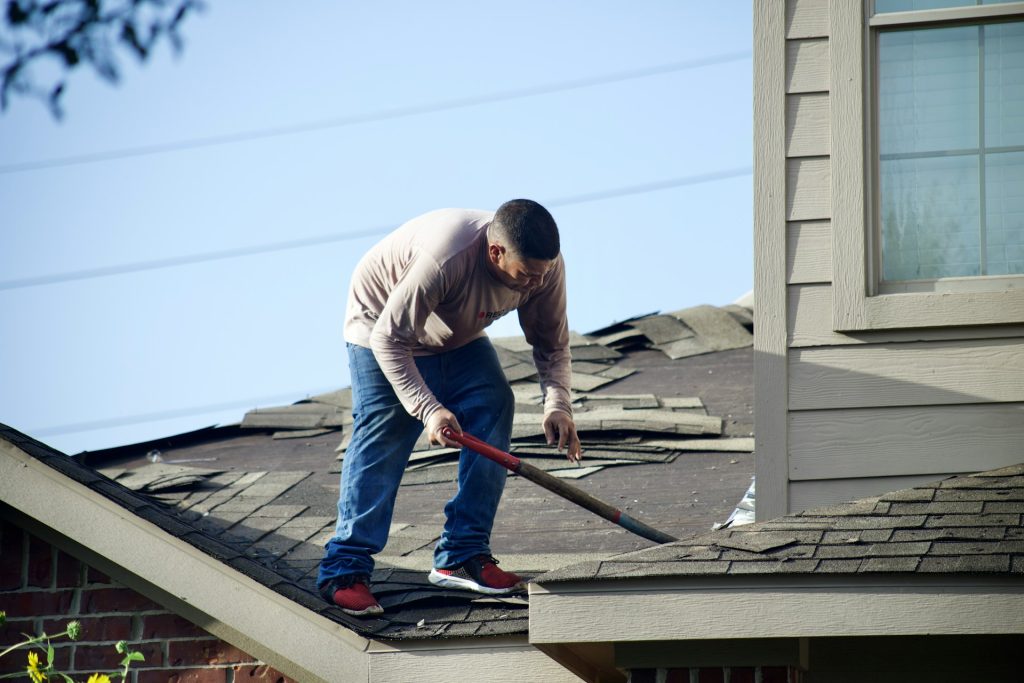
There’s no need to panic if you see a few missing or cracked shingles, especially after a heavy storm. Localized damage can be easily repaired by replacing shingles and patching damaged flashing. If the integrity of the underlying structure hasn’t been affected, repairs should be sufficient to keep your home safe.
Fascia Damage
The fascia, or frieze, is the board that runs along the edge of a roof. Fascia can become damaged over time due to water damage and wood rot. If it’s caught early, the damaged fascia section can be replaced without affecting the rest of the roof. However, ignoring fascia damage can lead to extensive damage later.
Minor Leaks
You can usually patch a small leak that hasn’t caused widespread water damage. It’s essential to address minor leaks promptly, as damage can escalate rapidly. Any moisture that enters your roof or gets in between roofing materials can cause mold, health issues, and structural damage.
Unexpected Increase in Power Bill
If your energy bills suddenly increase, it may be a result of problems with your roof. In winter, damaged insulation can allow heat to escape, requiring more energy to maintain a warm temperature in your home. Sealing any leaks and replacing insulation can typically solve the issue without major repairs or roof replacement.
Signs That It’s Time for Roof Replacement
Sometimes, repairs aren’t enough to return your roof to its original condition. Over time, roofs degrade, and eventually, it can become dangerous to postpone replacement. If you notice one or more of the following issues, it may be time to replace your roof.
Frequent Repairs
If you find yourself calling a roofing contractor every few months for emergency repairs, it’s often an early sign of roof failure. Eventually, the cost of constant maintenance will outweigh the expense of investing in a new roof. At some point, repairs won’t be enough to revive the structural integrity of your roof, leaving you and your family at risk.
Your Roof is 25+ Years Old
If you’re lucky enough to have a roof that has lasted more than 20 years, you probably follow a strict maintenance schedule. However, even if your roof appears fine from the ground, it’s essential to remember that all materials have a maximum lifespan. Even the strongest roofs become weaker over time, so if your roof is nearing the end of its lifespan, be sure to start financially preparing for an eventual replacement.
Curling/Buckling Shingles
Shingles that curl at the edges or droop in the middle are a red flag homeowners should never ignore. Curling and buckling are indicators that your roof is aging or that moisture is trapped under the shingles. If only one or two shingles are curling or buckling, a quick repair may suffice; however, widespread damage may be a sign that your roof needs to be replaced.
Extensive Storm Damage
Major storms can cause several serious problems, including missing shingles, punctured flashing, and structural damage. If a storm has damaged large sections of your roof, a patchwork repair won’t provide long-term, reliable protection. You may need a full roof replacement to keep your home safe and dry.
Roof Sagging
Roof sagging is a serious indicator of structural issues with a roof’s supports. Sagging is more than a surface concern; it’s an extreme safety hazard. If you notice drooping, contact a professional roofing contractor immediately. In most cases, sagging roofs require replacement as soon as possible to prevent collapse.
Asphalt Shingle Granule Loss
If you have an asphalt shingle roof, you should regularly check your gutters for sand-like granules. As asphalt shingles age and eventually break down, they will lose the protective layer of granules. Granule loss leaves shingles vulnerable to the elements, making them more likely to break in severe weather conditions.
Expert Guidance to Make the Right Choice
If you notice any of the signs discussed in this blog, it’s critical to contact professionals. At Ford Roofing, we offer thorough roof inspections and advice to help you decide which path to take. Our team will spot hidden damage and evaluate the structural integrity of your roof. We can help you understand the costs, benefits, and long-term implications of repair versus replacement.
We understand that roof replacement is a massive investment, so we will help you make the best decision while keeping budgetary restrictions in mind. Your safety is our priority, so don’t hesitate to contact Ford Roofing for an inspection.