

A structurally sound, aesthetically pleasing roof protects the people and possessions you value most. It increases the monetary value of your property. Your roof plays a key role in shielding you from the elements and minimizing the effects of extreme weather events. In San Diego, the climate is generally mild. However, timing your roof replacement can significantly impact the project timeline. Let’s discuss the best time to replace your roof in San Diego.
Signs That Your Roof Needs to Be Replaced
Replacing a roof is a significant investment that many homeowners try to delay for as long as possible. However, several seemingly minor problems can be warning signs of imminent mechanical failure. It’s crucial always to be aware of the condition of your roof so you’re ready to act should these problems arise.
Advanced Age
If your roof is 18 to 20 years old, it’s time to start preparing for a roof replacement. Typically, roofs can last anywhere from 15 to 30 years, depending on the quality of installation, the type of roofing material used, and the level of maintenance. Once you reach the 20-year mark, it can be irresponsible to delay replacement preparations. The older a roof gets, the higher the risk of failure.
Water Damage
If you notice dark patches or water stains on your ceiling, it may indicate water damage caused by trapped moisture or leaks. If water damage and leaks are not addressed promptly, they can lead to irreparable structural issues. If your roof already has extensive water damage, it may be a sign that it’s time to replace your roof. Contact the Ford Roofing team for a comprehensive roof inspection to determine the urgency of your roof replacement.
Missing Tiles/Shingles
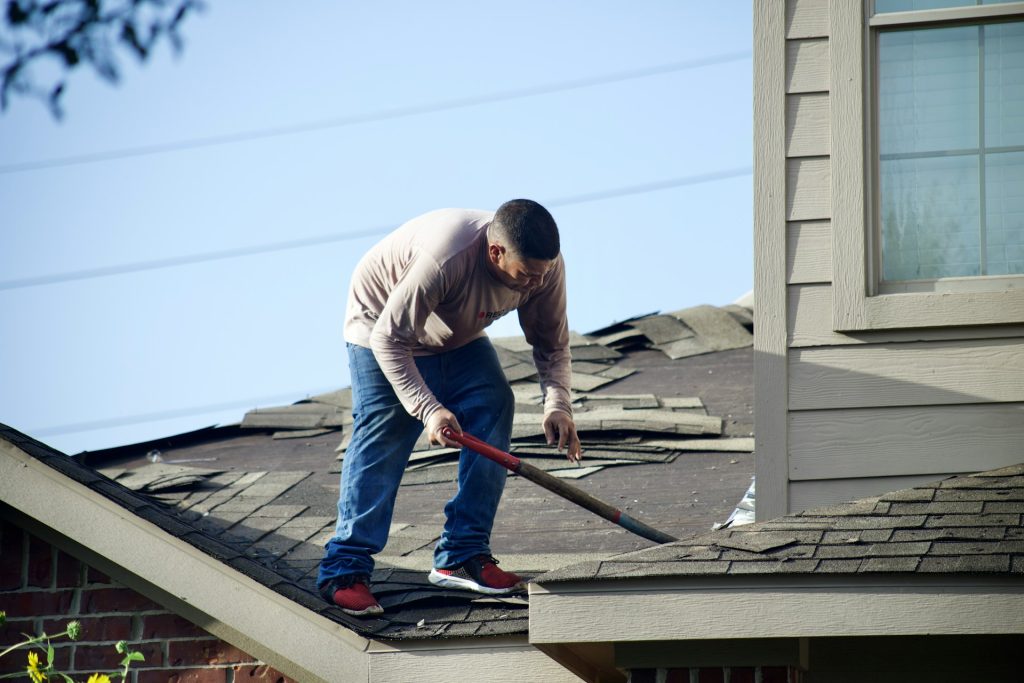
If tiles or shingles are missing in multiple areas, your roof materials may be failing due to age or weather-related damage. Curling and buckling shingles often indicate trapped moisture, which can lead to structural weakening if the humidity causes wood rot. When you notice widespread tile or shingle damage, it’s crucial to contact a roofing contractor as soon as possible to discuss the options for repair versus replacement.
Granule Loss
Asphalt shingles are coated with a protective granule layer. As asphalt shingles age, exposure to the elements gradually erodes the granule layer. If you notice sand-like granules building up in your gutters, it’s a clear indication that your roof is nearing the end of its lifespan. If you don’t invest in a replacement soon, your roof will be vulnerable to storm damage, such as cracks and breaks that can cause sizable leaks.
Sagging
Over time, the structural elements of a roof become weaker, which causes sagging. Visible sagging is a clear indication that your roof has structural damage, increasing the likelihood of collapse, which can be exceedingly hazardous. It’s crucial to contact a roofing expert immediately to avoid catastrophic failure. Depending on the extent of the sagging, our team may be able to provide a temporary fix to delay failure while you prepare for replacement.
How Seasonal Weather Affects Roof Replacements
While we can perform roof replacements at any time, the weather can impact the speed at which we complete your project. Fortunately, San Diego’s mild, Mediterranean climate reduces the risk of extended weather delays. However, weather conditions can affect our ability to work on your roof.
In summer, high temperatures can make it more challenging to install asphalt shingles as they may warp when exposed to heat. Warped shingles cannot be used as they will not lie completely flat. Due to this possibility, we carefully plan asphalt shingle installation to minimize excessive heat exposure. Furthermore, intense heat can affect installation speed as our team may need more frequent breaks to regulate their body temperature safely.
In late fall and winter, rainy periods can delay roof replacement projects. Installing roof flashing, tiles, and shingles while it’s raining traps water between the materials. As we mentioned, trapped moisture can cause mold and wood rot. If there is an unexpected rainy day, we may temporarily pause the project. In such situations, we use plastic sheets to protect exposed sections of your roof, preventing any potential damage.
San Diego’s mild spring and early fall typically offer the best conditions for roofing projects. Low humidity and moderate temperatures allow us to use our time and energy more efficiently. Additionally, the low humidity and dry weather conditions eliminate the risk of trapped moisture, allowing materials to set correctly.
The Best Time of Year to Replace Your Roof
In general, early fall is the optimal time for roof replacement projects in San Diego. Mild temperatures reduce the risk of heat-related material damage. Working conditions are also safer and more comfortable, minimizing the risks to our team. Dry weather also reduces the possibility of moisture-related project complications.
It’s essential to note that fall is typically our busiest month due to optimal conditions. If you want to avoid the rush, try to schedule your replacement ahead of time so that we can tackle your project first. If fall isn’t the best time for you, spring is also an excellent time for roof replacements, despite minor rainy weather delays.
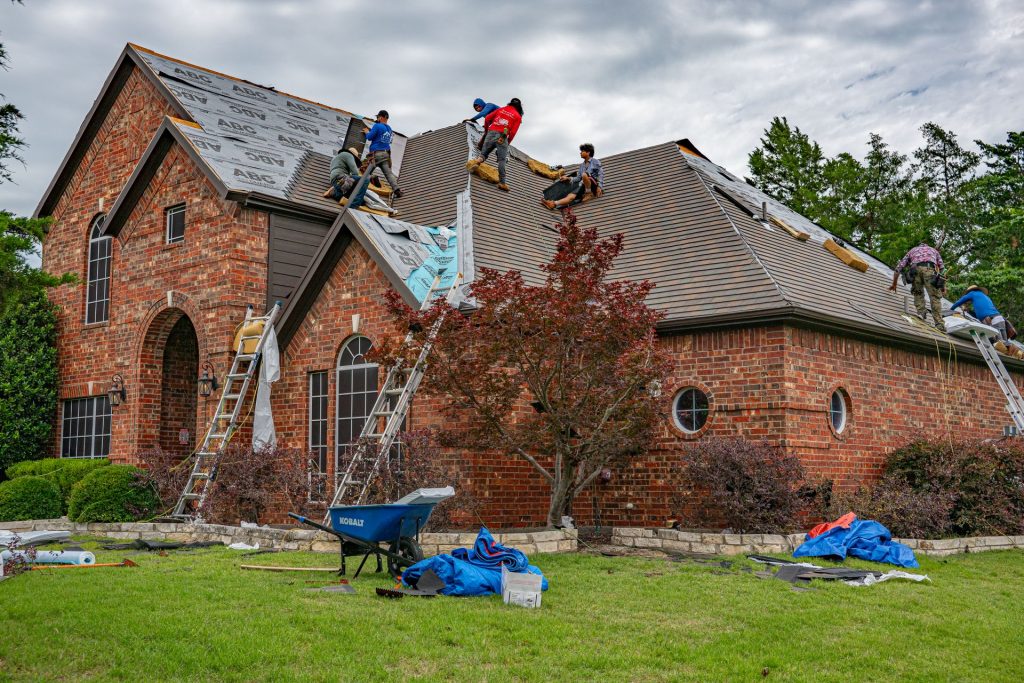
The Ford Roofing team is highly experienced and fully qualified to perform roof replacements at any time. If you have an urgent project, don’t delay until fall. While specific times of the year are more conducive to speedy project completions, we possess the tools and technical knowledge to produce quality results regardless of the season.
Factors That May Impact Roof Replacement Schedules
The urgency of your roof replacement depends on the condition of your current roof. If you have active leaks, sagging, or widespread damage, it’s critical to schedule replacement as soon as possible. Choosing to wait for the optimal time of year can put your home and family at risk. However, if your roof is nearing the end of its lifespan, but isn’t showing signs of severe damage yet, your replacement timeline can be more flexible.
Your financial situation is another critical element that can influence when you schedule your roof replacement. If you have been preparing for a replacement, you probably have money put aside. If your roof was severely damaged by an accident or extreme weather event, you may not have the financial freedom to schedule replacement immediately. It can be highly beneficial to have an emergency repair fund for unexpected damage.
Maintain the Safety of Your Home
In San Diego, fall is typically the best time of year to replace your roof. However, regardless of the temperature, the condition of your roof should dictate your replacement timeline. If you notice signs of damage or aging, don’t delay replacement, as it can lead to more serious, dangerous problems. Plan, consider your financial situation, and contact Ford Roofing to discuss your roofing options.