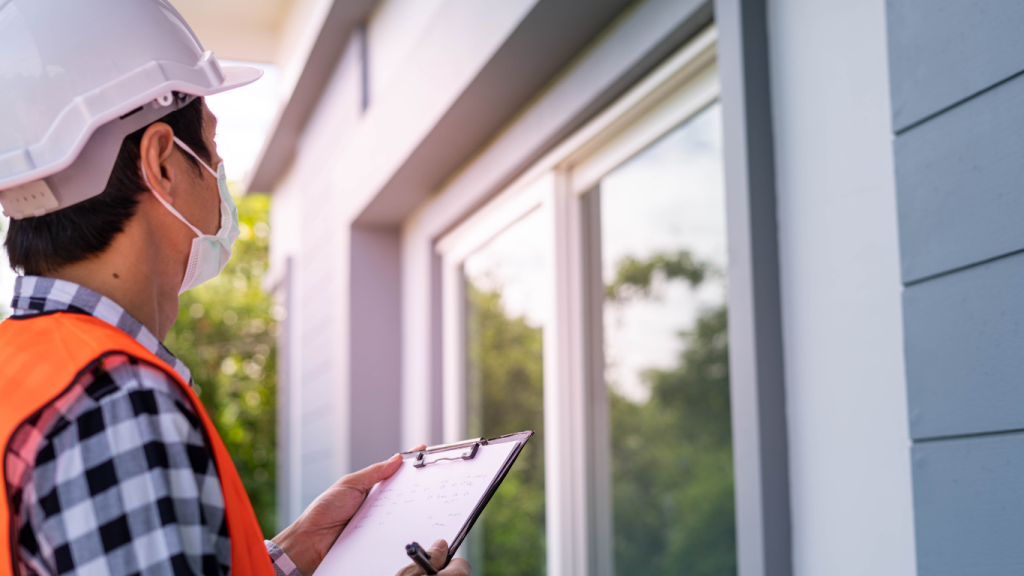

Roof inspections are thorough assessments that determine the condition and safety of a roof. To protect your home, prized possessions, and family, it is essential to inspect your roof regularly. Many of our clients ask how often they need an inspection, so let’s break it down and discuss everything you need to know about roof inspections.
The Importance of Regular Roof Inspections
Roof inspections play a critical role in maintaining the safety of your home. The purpose of regular inspections is to identify and address any minor issues before they escalate into serious problems. Addressing roofing issues promptly is a vital step in extending the longevity of your roof and preventing premature failure. Scheduling regular roof inspections will save you time and money that would have otherwise been spent on emergency roof repairs.
Minor issues, such as small leaks and missing shingles, can escalate quickly, leading to significant water damage and mold growth. Neglecting problems when they can still be easily repaired compromises the structural integrity of your roof. Once the structure of your roof is damaged, it can lead to collapses and catastrophic failure, which puts you and your family in danger.
How Often Do You Need Routine Roof Inspections?
Annual inspections are typically sufficient for new roofs. A freshly installed roof typically won’t have any significant issues, but it’s still essential to have it inspected annually. Once your roof is three years old, it may be beneficial to schedule inspections every six months. Bi-annual check-ups ensure that everything is still in order and that there aren’t issues that will shorten your roof’s lifespan.
The Best Time of Year for Routine Inspections
Preparing for the rainy season by having your roof inspected can help prevent heavy rains from exacerbating existing issues. From December to March, San Diego experiences increased precipitation. Hence, we recommend scheduling an inspection in November or early December. Then, when the rainy season officially ends, you can schedule another inspection to ensure that no issues have developed during the winter months.
April and May are generally good months for roof inspections, before the sunshine and heat of summer start. Constant sun exposure and wind in May and June can cause cracked and loose shingles, allowing moisture to enter. While San Diego typically enjoys mild, comfortable weather, it’s still essential to be prepared for inclement weather and not underestimate the potential damage that can occur.
When to Schedule an Ad Hoc Roof Inspection
Scheduling regular inspections is a crucial part of maintaining the safety of your roof. However, some situations demand an impromptu inspection. Keep our contact information on hand and be aware of the following scenarios.
Severe Weather Events
Heavy rain, high winds, and hailstorms can cause severe damage to your roof. When your area experiences any of these weather events, it’s essential to have your roof checked for “invisible” damage that cannot be seen from the ground. Wind also carries debris, which can build up and trap moisture. Trapped moisture can weaken roof materials, so it’s crucial to remove debris buildup as soon as possible.
Visible Damage
If you can see missing, cracked, or curling shingles from the ground, it’s vital to schedule an inspection as soon as possible. Noticeable wear and tear, sagging, or discoloration can indicate underlying issues that should be addressed immediately. Sagging is a grave indicator of damage that can become dangerous. Ceiling stains, mossy patches, and gutter buildup can also be a sign of potentially serious damage.
Buying or Selling a Home
It is essential to schedule an inspection before purchasing a new home or selling your existing one. Understanding the condition of a roof before making any purchase decisions can impact the value of your sale. If you are selling and the roof is damaged, you must have it repaired to avoid any last-minute issues with the sale. When you want to buy a home but the roof is damaged, you may want to consider lowering your offer or requesting a repair before signing any official purchase documents.
What We Look for During Roof Inspections
At Ford Roofing, we take pride in conducting comprehensive inspections that catch even the most minor issues. Being so thorough allows us to proceed with repairs immediately, which saves our clients money and helps us build great relationships. When we inspect a roof, we look at every inch of the exterior, which includes the following:
- Missing, cracked, curled, or brittle shingles and tiles
- Damaged flashing around roof objects like chimneys
- UV damage and shingle granule loss
- Wear and tear or punctures on flat roofs
- Leaks, rust, or gaps in flashing
- Debris buildup
- Soft spots and sagging
Once we have finished our exterior inspection, we move inside to look for leaks, mold, or daylight shining through into the roof space. We also prioritize gutter checks to ensure that there is good water flow and there are no blockages that could trap moisture.
When a roof is 15 years or older, we include an underlayment check to identify early signs of aging. Underlayment can be asphalt-saturated felt, Synthetic or Rubberized Asphalt.
We inspect insulation, ventilation, and structural integrity before checking ceilings and walls for water stains or mold that may indicate water damage. Upon completing our inspection, we will provide you with a comprehensive report detailing everything we discovered, allowing you to make an informed decision regarding maintenance and repairs. Should we find serious or dangerous issues, we will notify you immediately so that we can proceed with emergency repairs.
Protect Your Home With Regular Roof Inspections
If it’s time to schedule your next routine inspection, or you’ve never had an inspection done, contact Ford Roofing. We believe that a roof inspection is better late than never. We can always repair damage, but once a roof fails, your only option is to replace it. Let our team help you extend the lifespan of your roof with comprehensive inspections, expert maintenance, and professional repairs.