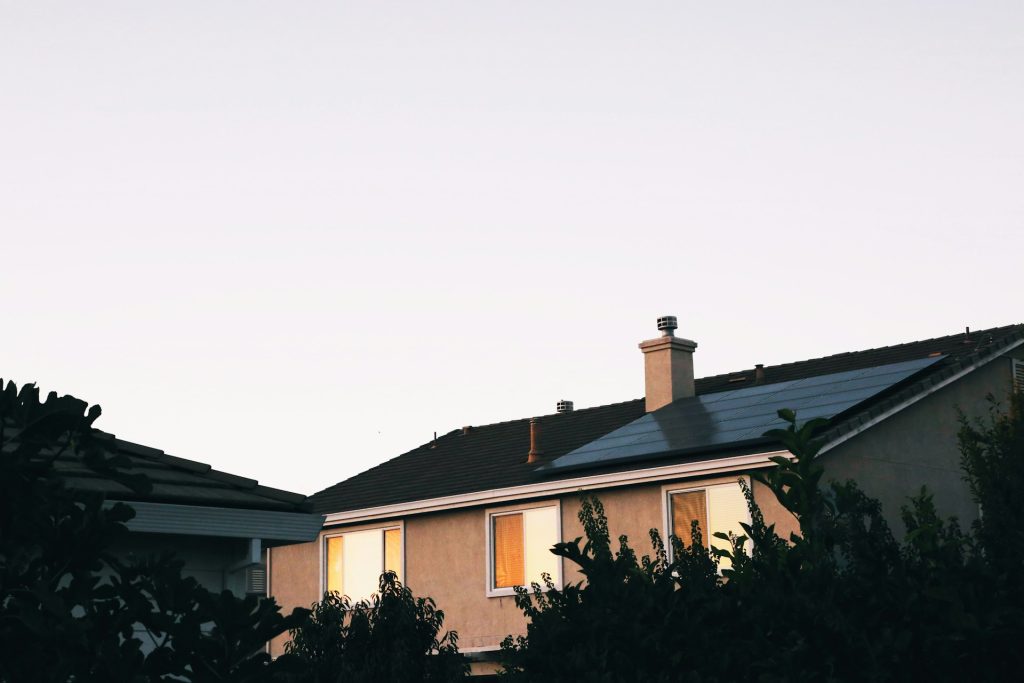


Finding a water stain on the ceiling or broken shingles on the lawn after a storm raises immediate questions about the roof’s structural integrity. Most residential roofs last 15-50 years, depending on the material and maintenance practices. This blog discusses everything you need to know about roof lifespans and identifying warning signs. We’ve also included tips from San Diego’s favorite roofers on how to extend the lifespan of your roof.
How Long Different Roofing Materials Last
The lifespan of a roof depends on the material. Most roofs can last for many years when they are installed properly and maintained regularly.
| Material | Typical Lifespan |
| Asphalt Shingle Roofs | 15-30 years |
| Metal Roofs | 40-70 years |
| Slate Roofs | 75-100+ years |
| Clay or Concrete Tiles | 50-100 years |
Asphalt Shingle Roofs
The typical functional lifespan of an asphalt shingle roof ranges from 15 to 30 years before a full replacement is necessary. Homeowners often choose asphalt shingles because they are the most common and affordable option. Standard three-tab shingles have a more traditional appearance, and generally last for up to 20 years. Architectural shingles feature a thicker, multi-layered design for improved wind resistance and generally last up to 30 years.
Metal Roofs
Metal roof systems can last for up to 70 years with proper maintenance. The structural strength and resilience of metal roofs make them highly durable against heavy rain, wind, and fire. The high reflectivity also makes metal roofs more energy efficient by lowering cooling costs during summer. While the upfront costs are higher than those of traditional asphalt, the longer lifespan makes metal roofs an excellent investment.
Slate Roofs
Slate roofs have the longest lifespan, often lasting for over 100 years. So, you can install a slate roof in your 20s, and it can easily last for the rest of your life with regular maintenance. Slate roofs have a high aesthetic appeal due to their natural appearance. However, slate roofs are also heavy, so they need specialized structural reinforcement. The high cost of the raw stone, the structural support system, and expert installation exceeds that of most other roof types. However, because they last so long, they are a lifelong investment.
Clay or Concrete Tiles
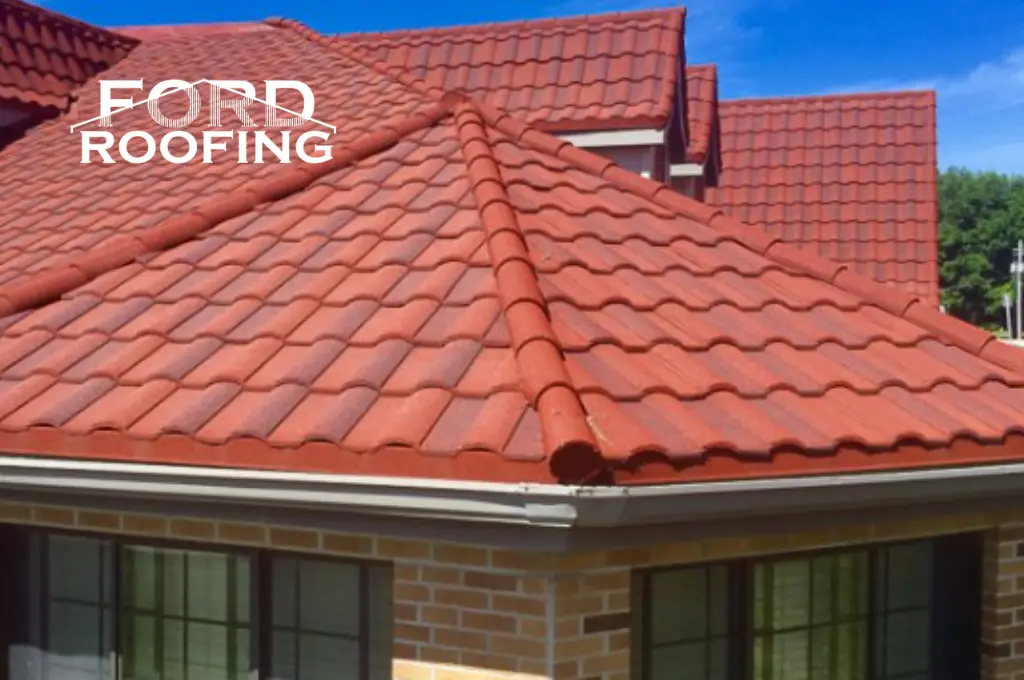
Clay and concrete tiles can last for 50-100 years depending on maintenance, climate, and installation quality. Property owners in hot, dry climates often choose tile roofs because they withstand intense sunlight well. As with slate roofs, tile roofs need strong support structures to withstand the substantial weight of the tiles. Maintenance also requires experts, as tiles can crack when an inexperienced person walks on them.
What Factors Affect How Long a Roof Lasts?
Climate and Weather Conditions
Material wear and tear speeds up under continuous exposure to intense sun, extreme heat, daily freeze-and-thaw cycles, hail, and high winds. Asphalt shingles break down chemically over time with continued exposure to UV. The result is brittle shingles that crack and break easily underfoot or in bad weather.
Two identical roofing systems can age very differently depending on a variety of factors, from weather to roof pitch. Homeowners need to understand what can age their roofs prematurely so they can identify issues before they become disasters.
Roof Ventilation Quality
Heat and moisture can become trapped beneath roof decking if the attic isn’t properly ventilated. The prolonged presence of moisture causes weakening and premature degradation of materials. Shingles can be damaged from within by intense summer heat that can’t move through the attic, while winter moisture causes wood rot and mold growth.
Installation Quality
Regardless of the materials chosen, improper installation will cause early roof degradation and may lead to catastrophic failure. Missing nails, misaligned shingles, and poorly secured flashing are just some of the most common issues that can result from a poorly installed roof. Working with a licensed, experienced roof contractor ensures the system is installed correctly.
Roof Maintenance Practices
Homeowners can add several years to the overall lifespan of their roofs with regular upkeep and prompt repairs. If small issues like loose flashing or isolated shingle damage aren’t addressed quickly, water can easily seep through into the roof frame. Annual cleanings, professional inspections, and diligent checks after storms keep minor problems from becoming major structural emergencies.
Roof Pitch and Drainage
Water drains from steeper roofs faster, reducing the risk of pooling, especially when proper drainage is in place. Flat and low-slope roofs can trap water for extended periods after rainy weather. Pooling water speeds up material degradation and promotes mold and algae growth. Clean gutters and clear valleys allow water to flow safely away from the roof.
How to Know When It’s Time to Replace Your Roof
Homeowners should always be attentive to the condition of their roof. To prevent severe damage and premature material failure, regularly scan for the following warning signs. If you notice several of the signs listed here, it’s important to call a professional for a thorough inspection. A roofing expert can identify issues, repair them, offer solutions to extend the lifespan of your roof, or let you know that it’s time for a roof replacement.
Missing or Damaged Shingles
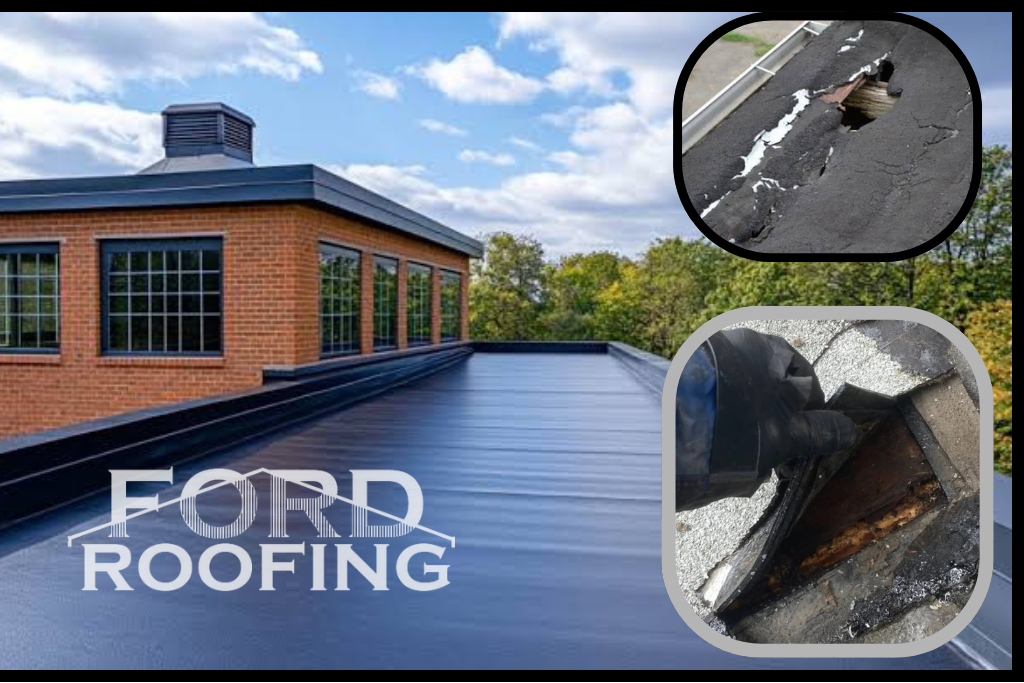
If you can see gaps in the outer layer of your roof or you find broken shingles on the lawn, it’s a sign that your roofing materials are losing structural integrity. High winds and severe storms easily dislodge weakened shingles. Missing or broken shingles leave the underlayment exposed to rain and moisture. Failing to address the bare patches can lead to wood rot and the eventual breakdown of the roof support structure.
Curling, Cracking, or Buckling
Asphalt shingles can curl at the edges, crack, or buckle due to intense UV exposure and unventilated attic heat. Distorted shingles lose their ability to shed water properly, so the underlayment and support structure are exposed to moisture. Physical changes, such as curling shingles, indicate that the materials have reached the end of their lifespan.
Granule Loss
Finding an accumulation of asphalt granules in your gutters, downspouts, and around your home is a sign that your shingles are thinning. The protective outer layer of granules on shingles blocks harmful UV. Granule loss makes shingles more vulnerable to environmental damage. Once your shingles start losing granules, the remaining material will deteriorate rapidly.
Roof Leaks and Water Stains
Interior water stains on ceilings, damp attic insulation, or active dripping inside your house are signs of serious damage that require immediate attention. Excessive moisture intrusion can cause mold growth, drywall damage, and insulation degradation. Failing flashing, loose shingles, and broken tiles can allow water to enter the attic. This issue can cause a cascade of severe damage without prompt repairs.
Sagging Roof Structure
A sagging roofline is a serious structural warning sign that requires immediate professional attention. If you notice depressions along the ridge or dips in the roof surface, it means the underlying decking or support beams are either rotted and actively failing or the roof’s weight is overloading the structure. A sagging roof is one of the most serious warning signs. Contact a roofing inspector as soon as you notice sagging to prevent a catastrophic collapse.
Excessive Moss or Algae Growth
If moss or algae is growing on your roof, there’s likely moisture trapped underneath. The constant presence of moisture speeds up material degradation. Shingles can become loose or separate from the roof completely if moss roots grow under the edges. Regularly clearing vegetation is a crucial part of roof maintenance.
Daylight Visible in the Attic
To assess the condition of your roof, looking up from outside can only reveal so much. Stand in your attic and look for spots where light comes through. If light can enter, so can water, wind, and all sorts of critters. While you are in your attic, look for signs of mold growth and check for a damp, musty smell. Mold and dampness can be dangerous for roofs, so take immediate action to protect your roof and your home.
How to Extend Your Roof’s Lifespan
Homeowners can protect their investment with proactive care and routine maintenance. You can extend your roof’s lifespan by taking simple preventive measures year-round. Consistent attention and inspections help preserve the structural integrity of the system as a whole and of individual components.
Schedule Regular Roof Inspections
It’s vital to plan professional roof inspections at least once a year or following a severe storm. An experienced contractor can spot subtle structural changes, flashing gaps, and hidden wear and tear that untrained eyes might miss. Regular inspections provide an updated assessment of the true condition of your entire roofing system.
Keep Gutters Clean
When gutters are clogged with debris, water collects along the roof edges, leading to wood rot and damaged fascia boards. Removing leaves, twigs, moss, and algae ensures that heavy rainfall will be directed away from your roof. Effective drainage is a critical part of responsible home ownership. Without this step, your roof will degrade faster, regardless of the material.
Address Minor Repairs Quickly
During inspections, your roofing contractor will identify any small issues that need repairs. It’s important to do minor repairs quickly to prevent widespread emergency repairs later. Even a single missing shingle can escalate into severe wood rot and structural damage.
Improve Attic Ventilation
Maintaining your attic ventilation system keeps temperatures low. It lets moisture out, so roof materials are less likely to degrade from internal heat. Your inspector should always assess your attic during routine inspections.
Trim Overhanging Tree Branches
If you have branches hanging directly over your home, trimming them reduces the amount of leaves and debris that land on your roof. Cutting long branches also protects your roof from the risk of heavy branches scraping the outer layer or falling onto it during storms. Cropping trees also prevents animals from gaining easy access to your roof and attic.
Remove Debris Promptly
Clearing piles of leaves, pine needles, and fallen branches prevents moisture from getting trapped against the shingles. Accumulated debris creates an ideal breeding ground for moss, algae, and fungi that cause wood rot. Routine maintenance can be scheduled alongside inspections to keep the roof surface dry and functioning as intended.
Plan With Confidence
The lifespan of a residential roof varies significantly depending on the material you choose. However, homeowners can maximize the longevity of their roofs with dedicated maintenance. You can make informed decisions about roof replacements and repairs by looking out for the warning signs of premature failure.
When you need expert guidance, a comprehensive inspection, or a detailed replacement quote, Ford Roofing is ready to help. Our licensed, insured, and highly educated crew has an in-depth understanding of local weather stressors, so we know exactly what to look for when we assess your roof. Contact our team to schedule an evaluation.