

A flat roof is a significant investment, and knowing how long it lasts can help you plan for maintenance and avoid unexpected repair costs. Most flat roofs last 15 to 30 years depending on the roofing material used, the quality of the installation, local climate, and how well the roof is maintained over time. With regular inspection, prompt repair, and routine maintenance, a flat roofing system can last 30 to 40 years or even longer.
In this guide, you’ll learn how long different flat roofing systems last, the key factors that affect roof longevity, and practical maintenance tips to help extend your flat roof’s service life.
Average Lifespan of Flat Roofs by Material
The material used for your flat roof plays the biggest role in how long it lasts. Each roofing system offers different levels of durability and performs differently when exposed to sunlight, moisture, and changing temperatures. Some materials require more maintenance than others, while some are designed to provide longer-lasting protection with minimal upkeep.
| Flat Roofing Material |
Average Lifespan |
Key Feature |
|
Built-Up Roofing (BUR) |
20 to 30 years |
Multiple layers provide excellent waterproofing and durability. |
|
Modified Bitumen |
15 to 20 years |
Flexible, durable, and performs well in changing weather conditions. |
|
EPDM Roofing |
20 to 30 years |
UV-resistant, flexible, and requires minimal maintenance. |
|
TPO Roofing |
15 to 25 years |
Energy-efficient, heat-reflective, and puncture-resistant. |
| PVC Roofing |
20 to 30 years |
Highly resistant to moisture, chemicals, and fire. |
|
Spray Polyurethane Foam (SPF) Roofing |
20-30 years |
Seamless insulation with excellent energy efficiency and waterproofing. |
| Metal Flat Roofing |
30-50 years |
Long-lasting, weather-resistant, and low maintenance. |
Built-Up Roofing (BUR)
Built-Up Roofing (BUR) is one of the oldest and most reliable flat roofing systems used in San Diego. This type of flat roofing lasts around 20 to 30 years with proper installation and maintenance, and in some cases can last up to 50 years when restored with protective coatings and regularly maintained. BUR roofs perform well in areas with frequent foot traffic because the multiple layers help resist punctures and surface wear. They also provide good protection against UV exposure and changing weather conditions.
Modified Bitumen
Modified Bitumen is an asphalt-based roofing system enhanced with rubber or plastic polymers to improve flexibility and duration. Modified Bitumen generally lasts up to 15 to 20 years, and in some cases lasts up to 25 years or more with proper installation, adequate drainage, and routine maintenance. It uses refined asphalt sheets applied by torch-applied, self-adhered, or cold-applied methods. The material provides good resistance to water, wind, and other minor impacts, making it a popular choice for residential and commercial flat roofs in San Diego.
EPDM Roofing (Ethylene Propylene Diene Monomer)
EPDM is a synthetic rubber membrane commonly used on flat roofs because of its durability, weather resistance, and low maintenance requirements. It typically lasts up to 20- 30 years when professionally installed and properly maintained. According to the EPDM Roofing Association, EPDM membranes are highly resistant to weathering, UV exposure, and temperature changes. Their flexibility allows them to accommodate building movement and thermal expansion without cracking, making them a reliable choice for areas with intense sunlight, freezing temperatures, and changing weather conditions.
TPO Roofing
Thermoplastic Polyolefin (TPO) is a single-ply roofing membrane known for its energy efficiency and affordability. A properly installed and well-maintained TPO roof can last up to 15 to 25 years with proper care and maintenance. Its reflective white surface helps to reduce heat absorption, making it a popular option for buildings in warmer climates. TPO also offers strong resistance to UV rays, punctures, tears, and chemical exposure, helping protect the roof from weathering and extend its service life.
PVC Roofing
PVC (Polyvinyl Chloride) is a single-ply membrane valued for its strength and long-term performance. With routine maintenance and proper installation, PVC lasts 20 to 30 years and is commonly used on commercial buildings, restaurants, and other facilities because of its excellent resistance to chemicals, grease, and moisture. Its heat-welded seams create a durable, waterproof barrier that helps to prevent leakage and improve long-term performance.
Spray Polyurethane Foam (SPF) Roofing
Spray Polyurethane Foam (SPF) roofing is created by spraying liquid foam directly onto the roof, where it expands into a seamless insulating layer. SPF can typically last up to 20 to 30 years, and can last even longer when protective coating is recoated every 10 to 15 years. Regular recoating shields the foam from UV damage and weather exposure, reduces the risk of leaks, and improves insulation and energy efficiency.
Metal Flat Roofing
Metal flat roofing is one of the most durable and longest-lasting options for low-slope roofs. These roofing systems are designed for roofs with a slight slope to ensure proper water drainage and prevent water from pooling. Depending on the material and installation quality, metal flat roofs typically last 30 to 50 years, while standing seam steel, aluminum, zinc, and copper systems can last even longer with proper maintenance. They offer excellent resistance to fire, strong winds, hail, and UV exposure, and protective coatings help prevent corrosion and extend their service life. Its exceptional durability and relatively low maintenance requirements make it one of the best long-term investments for residential and commercial buildings.
What Factors Affect the Lifespan of Flat Roofs?
While roofing material plays the biggest role in determining lifespan, several other factors also influence how long a flat roof will last. The National Roofing Contractors Association emphasizes that regular inspection and preventive maintenance are essential parts of extending roof service life.
Roofing Materials
Different roofing materials have different levels of durability and resistance to UV rays, moisture, and temperature fluctuations. Higher-quality roofing membranes such as metal and PVC generally provide longer service lives and better weather resistance.
Installation Quality
Even the best membrane will fail early if the installation isn’t done correctly. Poor workmanship can lead to leaks, weak seams, and drainage problems that shorten the roof’s lifespan. Choosing an experienced roofing contractor helps ensure your flat roof is installed properly from the start.
Climate and Weather Conditions
Constant exposure to sunlight, heavy rain, snow, hail, and strong winds can wear down roofing materials over time. Extreme temperature changes also cause roofing materials to expand and contract, which can lead to cracks or other damage if left unaddressed.
Lack of Roof Maintenance
Skipping routine maintenance can significantly shorten the lifespan of a flat roof. Small issues like clogged drains, damaged seams, or minor cracks can quickly become major problems if left unaddressed.
Drainage and Standing Water
Proper drainage is essential for the long-term performance of a flat roof. When water collects on the roof for more than 48 hours, it can weaken the roofing material, increase the risk of leaks, and accelerate deterioration.
Foot Traffic and Roof Usage
Frequent foot traffic can wear down a flat roof over time, especially around HVAC units, vents, and other equipment. Repeated use can damage the roofing membrane and increase the risk of punctures.
How to Make Your Flat Roof Last Longer?
Although every roofing system eventually reaches the end of its lifespan, proper maintenance can significantly extend its service life and reduce repair costs. Here are the 5 tips on how to make your flat roof last longer;
- Inspect your flat roof at least twice a year and after major storms. Early inspections help identify small issues before they become expensive repairs.
- Remove leaves, dirt, and debris from the drain and gutter to prevent water standing. Proper drainage reduces the risk of leaks and water damage
- Fix cracks, punctures, loose seams, and flashing damage as soon as they appear. Prompt repairs prevent moisture from spreading beneath the roofing system.
- Avoid unnecessary walking on the roof, especially on older roofing materials. If regular access is required, install walkway pads to protect the roof surface.
- Have your flat roof inspected by a professional roofing contractor every few years or after severe weather
How Often Should You Replace a Flat Roof?
Most flat roofs need replacement every 15 to 30 years, depending on the roofing material, installation quality, maintenance, and local climate. While regular inspections and timely repair can extend a roof’s lifespan, no roofing system lasts forever.
If your flat roof has frequent leaks, widespread membrane damage, persistent standing water, or has reached the end of its expected lifespan, it may be more cost-effective to replace it than continue making repairs. A professional roof inspection can help determine whether repair or replacement is the better option.
Signs your Flat Roof Needs Replacement
A small crack or an isolated leak doesn’t necessarily mean your flat roof needs to be replaced. However, if damage becomes more widespread or repairs are needed more frequently, replacement may be the more practical and cost-effective solution. The following warning signs can help you determine whether your flat roof is nearing the end of its service life
Frequent Leaks
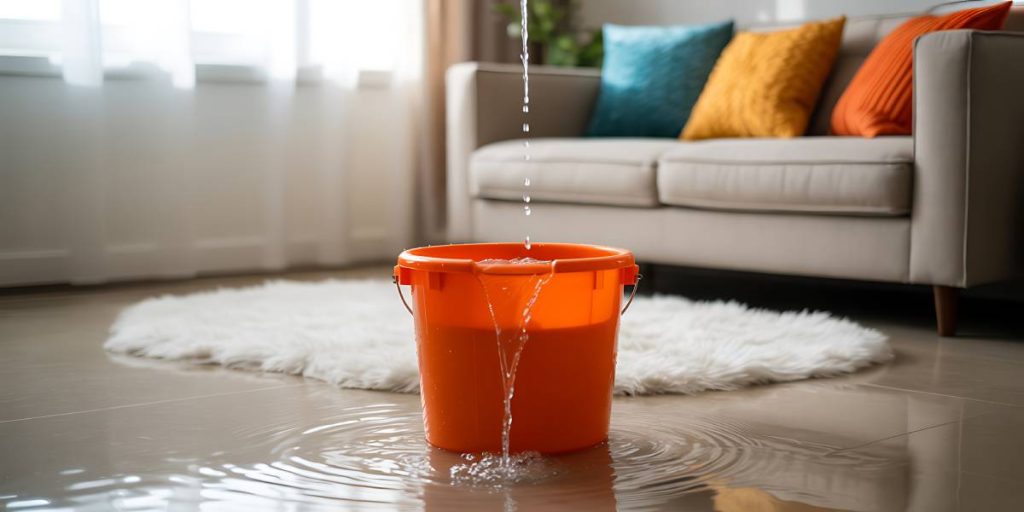
Occasional leaks can often be repaired, but recurring leaks across different areas of the roof usually indicate that the flat roofing system is failing. When leaks continue despite repairs, replacement is often the better long-term option.
Cracks, Blisters, or Membrane Damage
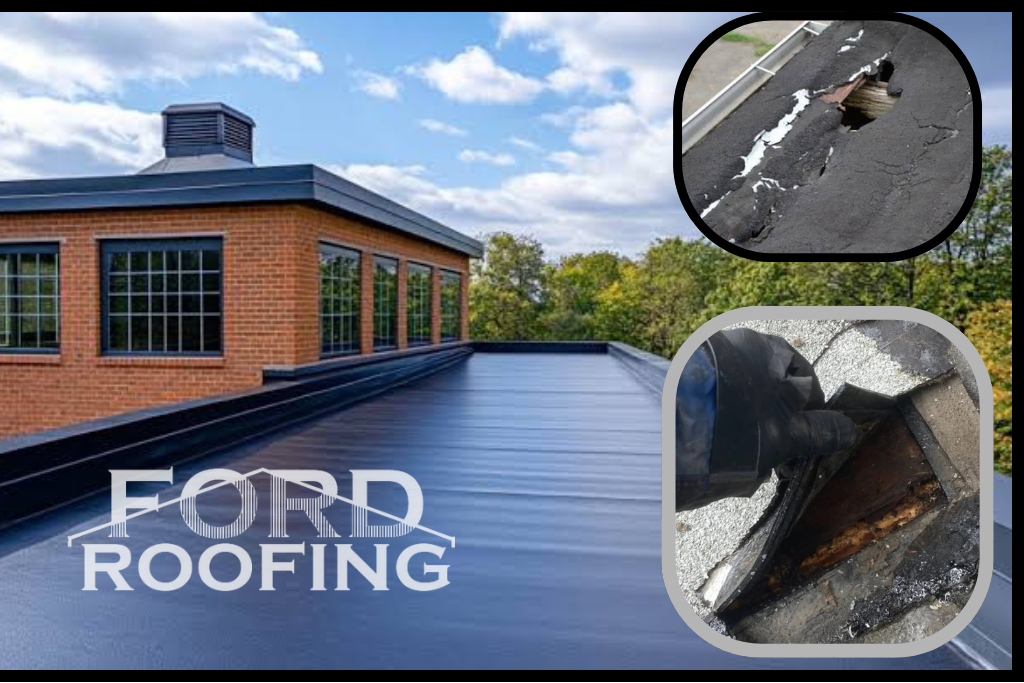
Cracks, blisters, punctures, and separated seams are common signs of an aging flat roof. While isolated damage can sometimes be repaired, widespread membrane deterioration allows water to penetrate the roofing system and signals that the roof is nearing the end of its service life.
Ponding Water
Water that remains on a flat roof for more than 48 hours after rainfall is a common sign of poor drainage or low spots in the roof. Over time, standing water adds extra weight, weakens the roofing membrane, and increases the risk of leaks, mold growth, and structural damage. If ponding water continues to occur despite regular maintenance, it may indicate that your flat roof needs professional repairs or replacement to restore proper drainage and prevent further deterioration.
Sagging or Structural Issues
A sagging roof deck or uneven roof surface often points to trapped moisture, weakened decking, or structural deterioration beneath the membrane. These problems should be inspected promptly, as they frequently require more than simple repair.
Rising Energy Bills
An aging flat roof with deteriorated insulation or damaged roofing materials can reduce your building’s energy efficiency. A damaged roof loses its ability to block outdoor heat and hold in conditioned air, forcing your HVAC system to run longer and harder to keep indoor temperatures stable. If your energy bills are climbing without any change in usage or utility rates, deteriorated insulation or roofing material is a likely cause.
Final Thoughts: Getting the Most Out of Your Flat Roof
A flat roof’s lifespan depends mainly on the material you choose, how well it’s installed, and how consistently it’s maintained afterward. A well-installed EPDM or PVC roof can easily outlast a neglected metal one, and small habits like clearing drains and fixing minor cracks early add years of service life for very little cost.
Most flat roofs don’t fail because they’ve simply run out of years. They fail because small problems such as a blocked drain, a lifted seam, or a patch of pounding water were left unaddressed until they became structural ones. Roofs that get regular attention consistently outlast their expected range, while roofs that get ignored rarely make it that far.
If you’re unsure about the condition of your flat roof or want expert advice on repairs or replacement, a professional inspection can provide clarity before minor issues become major expenses. At Ford Roofing, we help homeowners and businesses throughout San Diego evaluate their roofs and recommend practical, long-lasting solutions based on the roof’s condition, budget, and long-term goals.