

Choosing a new roof for your San Diego home is not just about appearance; it’s about protection, comfort, and long-term costs for decades. Many San Diego homeowners find themselves comparing tile vs. shingle roofs because both materials provide unique advantages, but the best choice depends on durability, energy efficiency, maintenance, and long-term value.
With San Diego’s sunny climate, occasional heavy rain, coastal salt air, and seasonal Ana winds, your roofing material can significantly impact your home comfort and overall ownership cost. In this guide, we’ll compare tile and shingle roofs side by side, covering their pros, cons, costs, durability, and overall performance in San Diego’s unique climate so that you can make a confident, informed decision.
What are Tile Roofs?
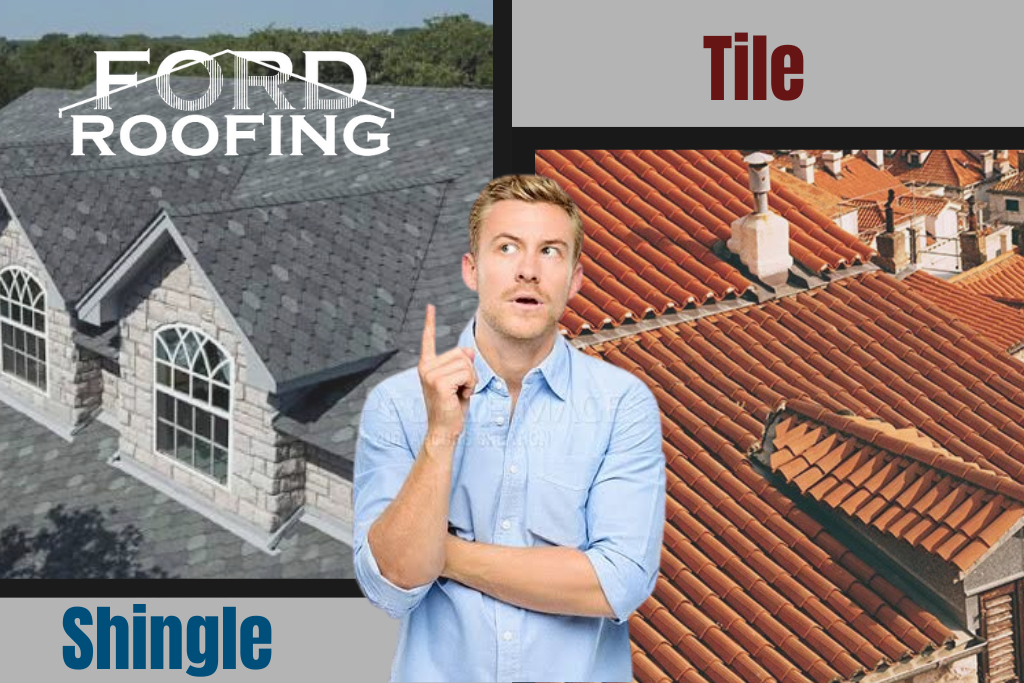
Tile Roofs are a durable roofing system made from overlapping individual tiles that are installed in overlapping rows to protect a home from the sun, rain, wind, and other weather conditions. These types of roofs are commonly made up of clay, concrete, slate, and, in some applications, recycled or synthetic products.
Pros of Tile Roofing
- Exceptional lifespan: Tile roofs can last 50 to 100 years with proper installation and maintenance, making them among the longest-lasting residential roofing materials.
- Outstanding durability: Tile roofs perform well in harsh weather conditions, and they resist UV rays, rot, insects, and moisture, making them a perfect fit for the San Diego Climate.
- Energy-efficient: The natural gap beneath the tile helps to reduce heat transfer into the home, improving indoor comfort and lowering cooling costs during summer.
- Excellent fire resistance: Clay and concrete tiles are non-combustible materials that provide excellent fire protection. This can be especially valuable in areas where wildfire risk is a concern.
- Low maintenance: Tile roofs require fewer replacements and less routine maintenance than many other roofing materials, helping reduce long-term ownership costs.
Cons of Tile Roofing
- Higher installation cost: Tile roofing costs significantly more than shingle roofing due to the premium material and specialized labor.
- Heavy roofing material: Tile roofs are heavier than shingle roofs, so many homes require structural reinforcement of the roof decking before installation.
- Tiles can crack under pressure: Individual tiles are durable under normal conditions but may crack if someone walks on them incorrectly during maintenance or inspections.
- Higher repair costs: Replacing cracked or damaged tiles is often more expensive than repairing asphalt shingles.
- Professional installation required: Proper installation of underlayment, flashing, ridge caps, and fasteners is essential to ensure long-term performance and prevent leaks.
What are Shingle Roofs?
Shingle roofs are roofing systems made up of many individual overlapping pieces installed in rows from the bottom edge up to the top. They are available in several materials, including asphalt, wood, metal, slate, and composite. Each overlapping piece creates a waterproof barrier that protects the home from rain, wind, and sunlight.
Pros of Shingle Roofing
- Low Installation Cost: Shingle roofs have a lower installation cost than tile roofs, making them a budget-friendly choice for many homeowners.
- Fast Installation: Shingle roofing installation is much quicker than tile roofing because the material is lightweight and easy to work with.
- Lightweight Construction: Most homes can support asphalt shingles without additional structural reinforcement.
- Easier Repairs: If a few shingles become damaged, individual sections can usually be replaced quickly and affordably without disturbing the rest of the roof.
- Wide variety of styles: Asphalt shingles are available in many colors, textures, and architectural designs to complement different home styles.
Cons of Shingle Roofing
- Shorter roof lifespan: Shingle roofs generally last 15 to 30 years and need replacement sooner than tile roofs
- Less durable: Shingles are more susceptible to UV damage, cracking, curling, and granule loss after years of sun exposure.
- More frequent maintenance: Compared to tile roofing, shingles typically require more inspections, repairs, and eventual replacement.
- Lower energy efficiency: Shingles absorb more heat than tile roofs, which can contribute to higher cooling costs during warm weather.
- Reduced long-term value: Although affordable initially, multiple roof replacements over time can increase overall ownership costs compared to a long-lasting tile roof.
Tile vs Shingle Roof side-by-side comparison
Whether you are considering shingle or tile roofing, knowing how each system lasts, installation cost, and maintenance can help you make a confident decision. Here’s a side-by-side breakdown to help you evaluate which roofing material best fits your home, budget, and long-term goals
| Features | Tile Roofing | Shingle Roofing |
| Average Lifespan | 50-100 years | 15-30 years |
| Installation Cost | Higher upfront investment | Lower, budget-friendly cost |
| Durability | Extremely durable and long-lasting | Durable, but shorter lifespan than tile |
| Energy Efficiency | Excellent insulation and heat resistance | Moderate energy efficiency |
| Weather Resistance | Performs well against UV rays, heat, and fire | Good protection but more susceptible to UV damage over time |
| Maintenance | Low maintenance with occasional inspections | Moderate maintenance with more frequent repairs |
| Repair Cost | Higher due to specialized repairs | Lower and easier to repair |
| Best For | Long-term homeowners seeking durability and premium curb appeal | Budget-conscious homeowners looking for affordability and versatility |
Lifespan and Durability
When it comes to roof lifespan, tile roofing is much more durable than shingle roofing. Tile roofs can typically last around 50 to 100 years with proper installation and routine maintenance, making them one of the longest-lasting roofing systems available. In comparison, shingle roofs typically last 15 to 30 years before needing replacement. While premium architectural shingles offer improved durability, they still have a shorter service life than tile roofs.
Installation and Long-term Value
Shingle roof installation cost is much less than a tile roof, which makes them an attractive choice for homeowners with a limited budget. Tile roofs require higher upfront investment due to material costs and the need for professional installation. However, a tile roof’s lifespan and lower replacement frequency often provide better long-term value compared to shingle roofs.
Weather Resistance and Performance
Both tile and shingle roofs perform well in San Diego’s climate, but tile roofing offers superior resistance to prolonged sun exposure, heat, and fire. Clay and concrete tiles naturally withstand harsh UV rays without significant deterioration, making them ideal for the region’s sunny weather. Shingles also provide reliable protection against the elements, but over time they are more likely to fade, curl, or lose protective granules due to constant exposure to sunlight.
Maintenance and Repairs
Tile roofs generally require less routine maintenance, but repairs can be more expensive if individual tiles crack. Proper installation of underlayment, flashing, ridge caps, and corrosion-resistant fasteners is essential for long-term performance. Shingle roofs require more frequent maintenance because damaged shingles are more susceptible to weathering, but repairs are usually simpler and less costly.
Energy Efficiency
Tile roofs have high thermal mass; they absorb heat slowly and release it gradually, reducing the amount of heat transferred into the attic. The natural air gap beneath the tile roof improves ventilation, allows hot air to escape, and helps to keep indoor temperature lower. In contrast, shingle absorbs and transfers heat quickly, which can increase attic temperatures and place greater demand on air conditioning during hot weather.
Aesthetics & Home Style
Tile roofing offers an upscale appearance that complements Spanish, Mediterranean, and Mission-style homes commonly found throughout San Diego, while shingle roofing provides a versatile look that suits traditional, Craftsman, Ranch, and contemporary homes. Both materials are available in a variety of colors and styles, but tile is often chosen for its premium curb appeal, whereas shingles offer greater design flexibility at a more affordable price.
Which Roof Performs Better in San Diego’s Climate?
San Diego has a Mediterranean climate with warm, dry summers, mild and wet winters, coastal salt air, occasional heavy rain, and seasonal Santa Ana winds. These conditions make roof durability, weather resistance, and heat protection key factors when choosing a roofing material in San Diego.
Tile roofing generally performs well in San Diego’s climate because it offers superior resistance to heat, UV rays, fire, and harsh weather. Its natural insulating property helps to keep the home cooler during hot summers.
Tile vs. Shingle Roofs: Which One Is Best for You?
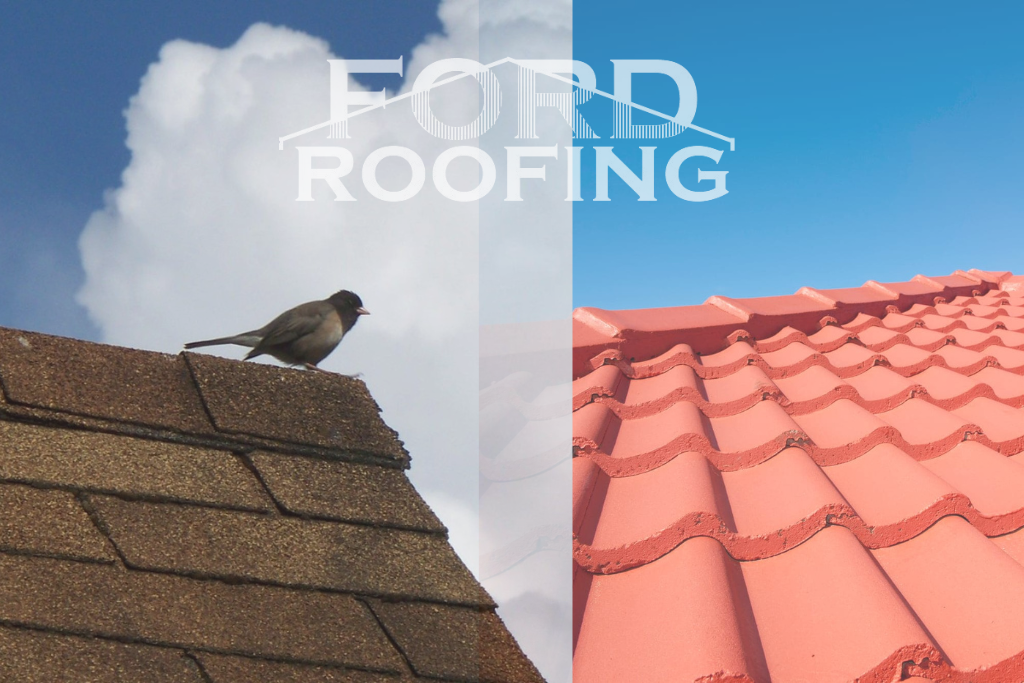
Determining which is best between Tile and Shingle roofs depends upon your budget, how long you are staying in the home, your maintenance preference, and the look you want to achieve. If you are planning to own the home for decades, a tile roof can be a smart long-term investment because of its lifespan, excellent resistance to heat, UV radiation, fire, and its timeless appearance that complements Spanish and Mediterranean aesthetic homes.
If keeping upfront cost low is your priority, or you are expecting to move within the next 10 to 15 years, then a shingle roof can be the right choice for you, as it typically lasts for 15 to 30 years, is less expensive to install and repair, and can be used on almost any home without additional structural support.
Final Thoughts: Choosing Between Tile and Shingle Roofs in San Diego
Both tile and shingle roofs can protect your home in San Diego for many years when professionally installed and properly maintained. Tile roofing offers exceptional durability and a longer lifespan, while a shingle roof provides an affordable upfront cost and easier installation.
The right choice comes down to your budget, your home’s structure, architectural style, and long-term goal. Evaluating these factors carefully and working with an experienced roofing contractor can help you select a roofing system that delivers the best value and performance for your specific needs.
If you are still unsure whether tile roofing or shingle roofing is right for your home, a professional assessment can provide the guidance you need. At Ford Roofing, our experienced team provides honest recommendations, professional roof inspections, and expert installation services to help San Diego homeowners choose a roofing solution that fits their property, budget, and long-term goals.