- CSLB #1118963
- Servicing San Diego, CA Since 1987
Frequently Asked Questions
Explore our roofing FAQ for answers about repairs, replacement, costs, warranties, maintenance, storm damage, and services provided by Ford Roofing throughout San Diego County.
What Areas Do You Serve?
-
Who Will Manage My Roofing Project?
+
Do You Use Subcontractors or In-House Crews?
+
Are You Licensed and Insured?
+
What Makes Ford Roofing Different From Other Roofing Contractors?
+
What Insurance Should a Roofing Contractor Have?
-
What Questions to Ask a Roofing Contractor?
+
What to Look for in a Licensed Roofing Contractor?
+
How Long Does It Take to Replace a Roof?
-
Do I Need to Leave My Home During a Roof Replacement?
+
Will Installing a New Roof Disrupt My Daily Life?
+
How long does roof repair take in San Diego?
+
How Do I Know If My Roof Needs to Be Repaired or Replaced?
-
What Are the Signs That a Roof Needs to Be Replaced?
+
Can You Replace Only Part of a Roof?
+
When Should I Call for Emergency Roof Services?
-
Can a Roofer Fix a Roof Leak the Same Day?
+
What Should I Do If Part of My Roof Collapses?
+
What to Do After Storm Roof Damage?
-
What Type of Weather Causes Roof Damage?
+
Should I Contact My Insurance Company Before a Roofer?
-
Will my homeowner’s insurance cover a new roof?
+
What Roofing Systems Does Ford Roofing Install?
-
How to Choose the Right Roofing Material?
+
What Is the Most Durable Roofing Material?
+
What Warranties Do You Offer?
-
What's the Difference Between a Manufacturer's Warranty and a Workmanship Warranty?
+
Who Is Responsible If My Roof Develops a Problem After Installation?
+
How Much Does a New Roof Cost in San Diego?
-
Do You Offer a Free Estimate?
+
How Much Does Roof Repair Cost in San Diego?
+
Services
Need Help With Your Roofing?
Talk with our experienced roofers at Ford Roofing about your repairs, replacement, storm damage, or any other roofing needs.
Our Roofing Services in San Diego
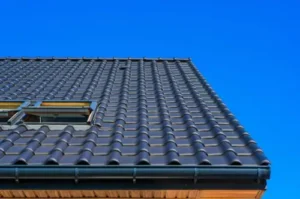
Residential Roofing
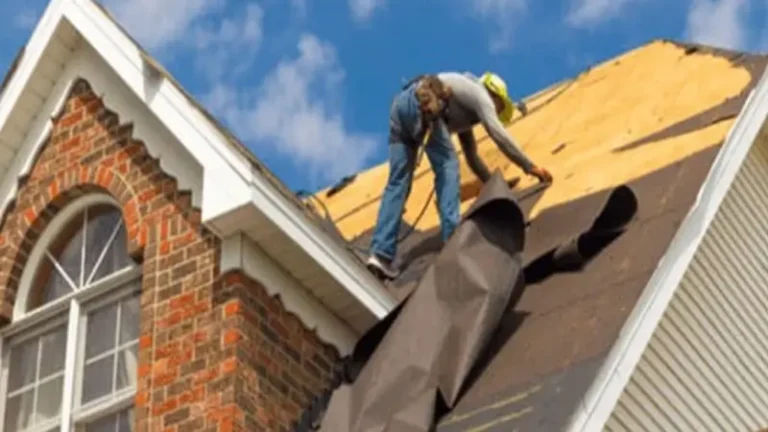
Commercial Roofing
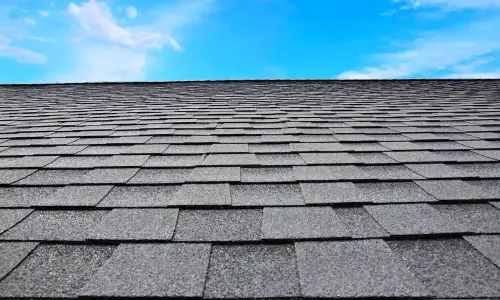
Asphalt Shingle Roofing
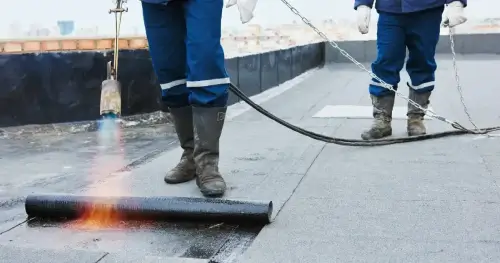
Torch Down Roofing
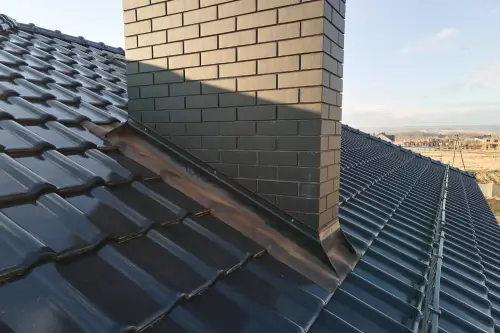
Tile Roofing
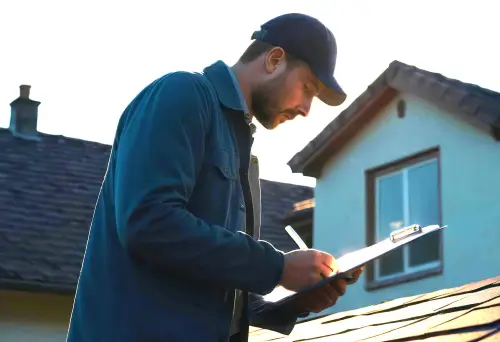
Roof Inspections
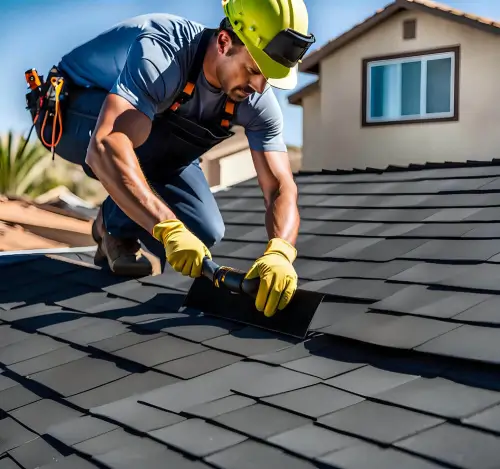
Roof Repair
Roof Replacement
Satisfaction
100%
GUARANTEED
Ford Roofing and Repairs
Your Professional Roofing Contractor With a Solid Reputation