

The roof is one of the most critical components of your home. Roofs protect residents from the elements for years, keeping them safe and preventing damage to their property. It’s crucial to understand the lifespan of your roof so you can make informed decisions about maintenance, repairs, and when to replace it. This blog discusses what you can expect during each stage of your roof’s lifespan.
Stage One: New Installation (0-5 Years)
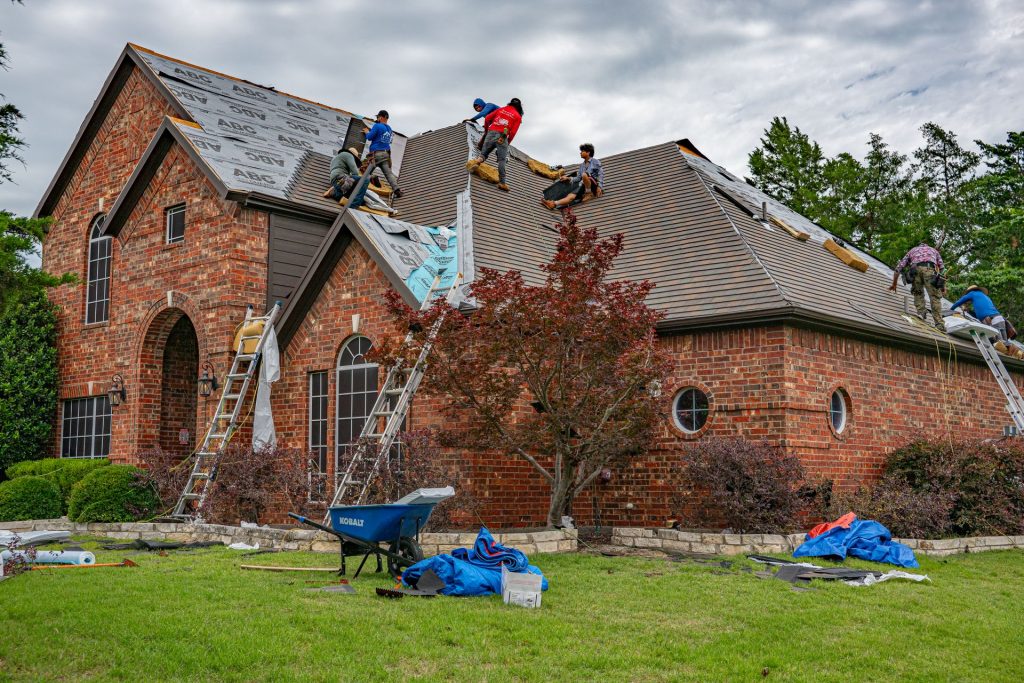
During the first few years after your roof is installed, it should perform perfectly with minimal maintenance requirements. Modern roofing materials come with warranties that cover defects during the initial stage. Roofing installers also often have guarantees to give you peace of mind about your investment.
Many homeowners think they can ignore their roofs during the early stages. However, even new residential roofs can benefit from annual inspections. Harsh weather and installation issues will be identified early during routine inspections, allowing for their repair before they develop into serious problems. Inspections look for loose or missing shingles, ensure proper ventilation, and keep gutters clean to prevent water buildup.
It’s essential to maintain a relationship with your roofing contractor for any future maintenance or repair needs. Working with the same team ensures that they will already be familiar with your roof and all the requirements for upkeep. Keep a note that details your roof specifications, warranty information, and photos of the roof immediately after installation.
Stage Two: Early Life (5-15 Years)
Between 5 and 15 years, your roof, if properly installed and maintained, will be at peak performance. You shouldn’t experience any significant issues, and bi-annual inspections will be sufficient for addressing problems immediately. Regular maintenance is even more essential at this stage, so be sure to plan checkups with your contractor.
It’s also crucial to schedule inspections after significant weather events, such as hail and severe winds, as they can damage your roofing materials. You may occasionally need to replace damaged shingles, reseal flashing, and clean debris from gutters and downspouts.
Many homeowners neglect their roofs during this stage because they believe that problems are unlikely to develop so soon. However, forgetting to schedule inspections could mean minor problems may gradually worsen until an expensive surprise repair becomes necessary.
Stage Three: Early Aging (15-20 Years)
As your roof ages, you may start to notice the first signs of wear and tear. Roof materials may begin to show signs of wear, weathering, or discoloration. These small changes are normal and to be expected, but they are signals that the quality of your roof is starting to decline. At this stage, you should begin scheduling annual inspections and regular maintenance to ensure the continued operation of your system. You may need to replace larger sections of shingles, address flashing breakdowns or fix minor leaks.
The key is to stay ahead of these issues before they have the time to compromise the integrity of your roof. You will most likely still have your roof for many years, especially with proactive maintenance. However, we recommend budgeting for eventual replacement and starting a roof replacement fund. Hence, you are financially prepared when the time comes.
Stage Four: Mature Aging (20-25 Years)
As your roof enters its second decade, it will require more frequent care and attention. Signs of aging will become more pronounced, and repairs will increase in frequency and scope. You may notice granule loss on asphalt shingles, as well as curling or cracking, and an increased vulnerability to weather damage. You may also notice increased power bills as the insulating materials in your roof begin to age and lose efficacy.
During stage four, you will face an important decision: continue with repairs or plan for a replacement. While repairs can extend your roof’s lifespan, they become less cost-effective in the long run as problems multiply. A roofing contractor can help you determine whether extending the lifespan justifies repair expenses or if roof replacement is the better option.
Stage Five: End of Life (25+ Years)
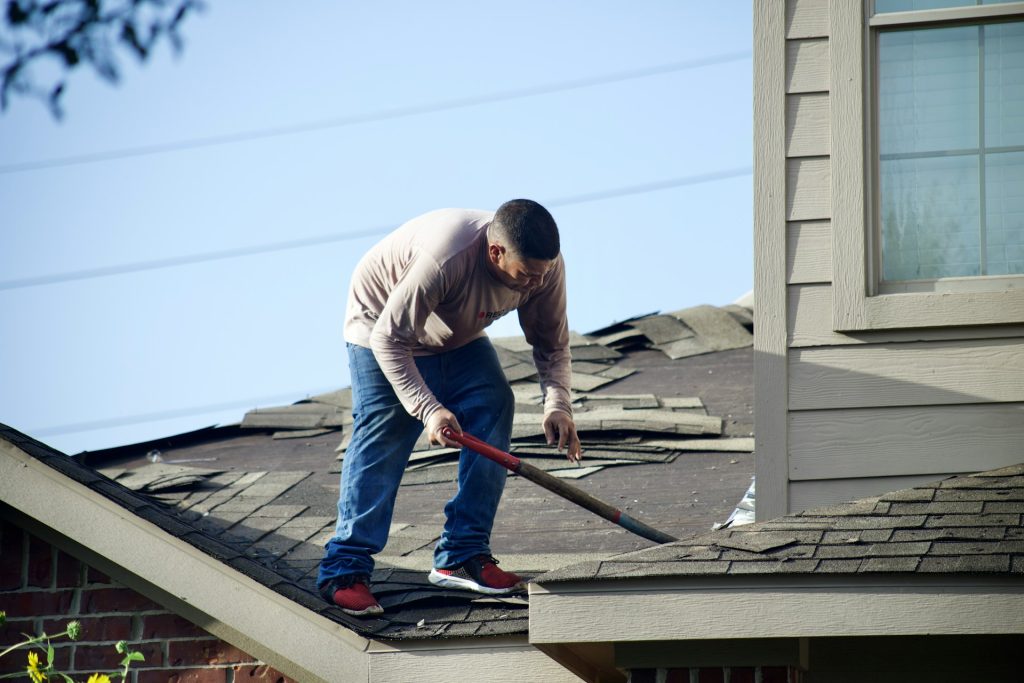
If you have chosen to extend your roof’s lifespan with repairs, a replacement will now become inevitable. Signs that your roof has reached the end of its lifespan include widespread shingle damage, frequent leaks, significant granule loss, and structural issues such as sagging.
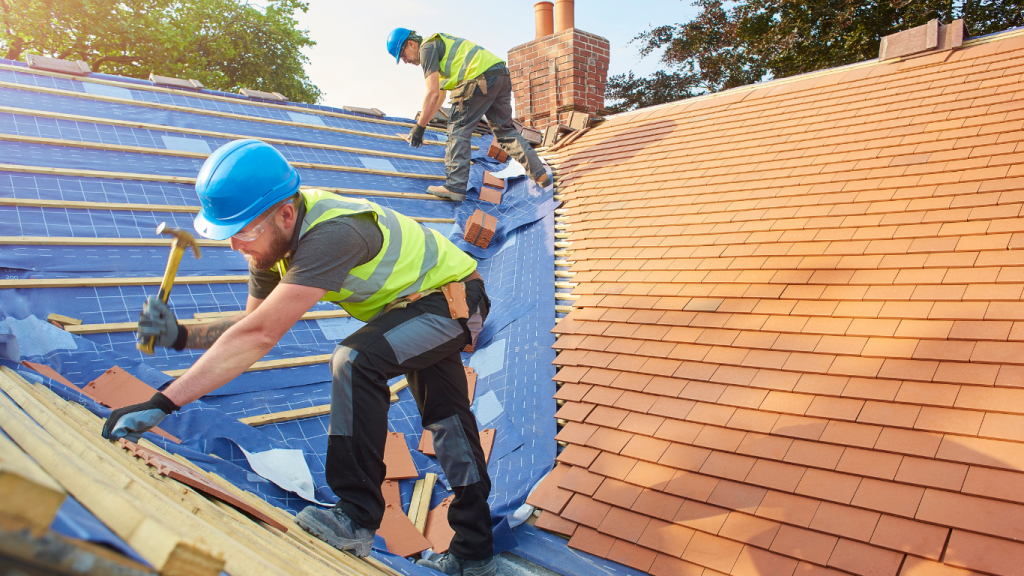
At this stage, continuing with repairs is a losing battle. Multiple problem areas, recurring issues, and the potential for sudden, catastrophic failure make replacement the obvious choice. Installing a new roof with modern materials and advanced installation techniques will provide improved longevity and better performance.
Plan to Maximize Your Roof’s Lifespan
Understanding your roof’s life cycle helps you make informed decisions about maintenance timing, budget planning, and replacement scheduling. By recognizing the signs of each stage and addressing problems immediately, you can maximize your roof’s performance and avoid unexpected structural failures that can damage your home’s interior and put your family at risk.
To schedule installation, inspection, or maintenance, contact Ford Roofing. Our experienced San Diego roofing company of fully qualified team members can help you understand the current state of your roof, the necessary repairs, and what you can expect over the next few years. We can help you develop a budget for a new roof installation and extend the lifespan of your roof until you’re ready for an upgrade.