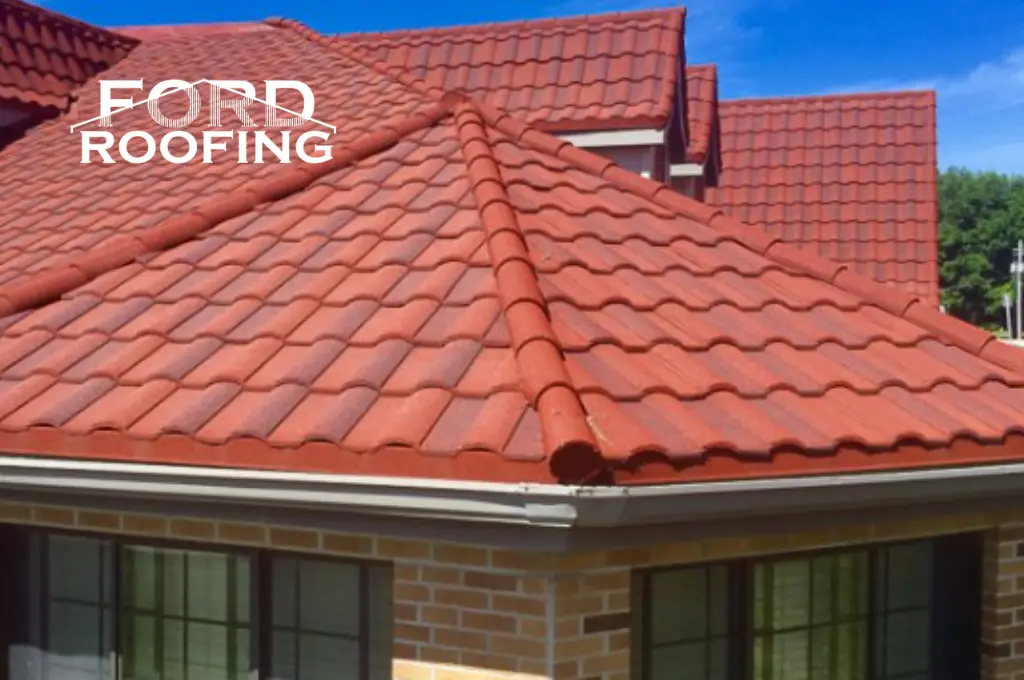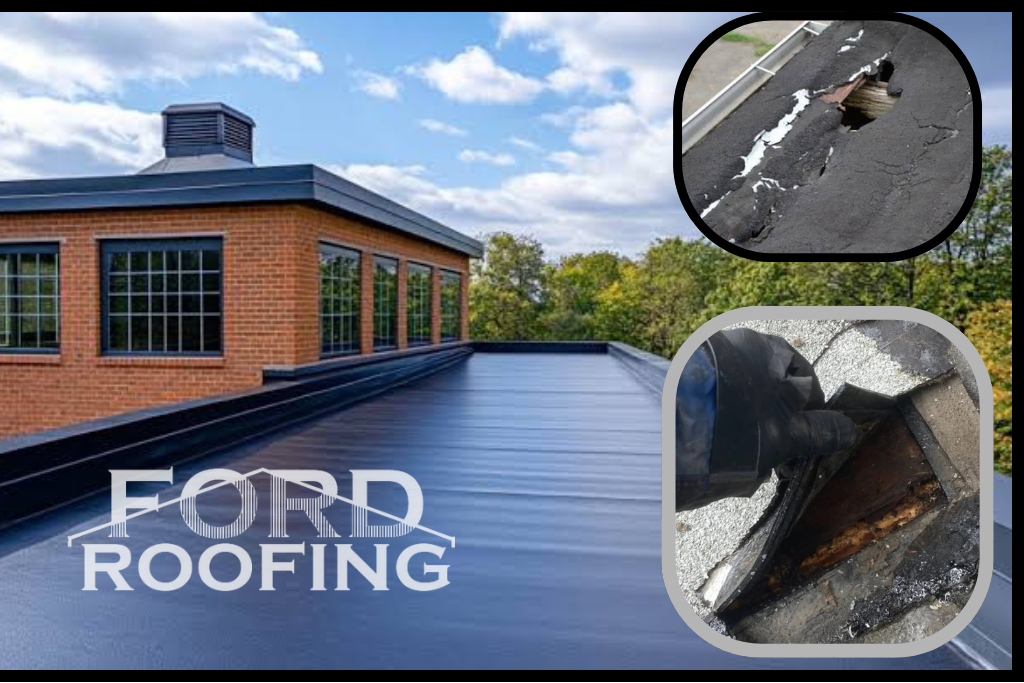
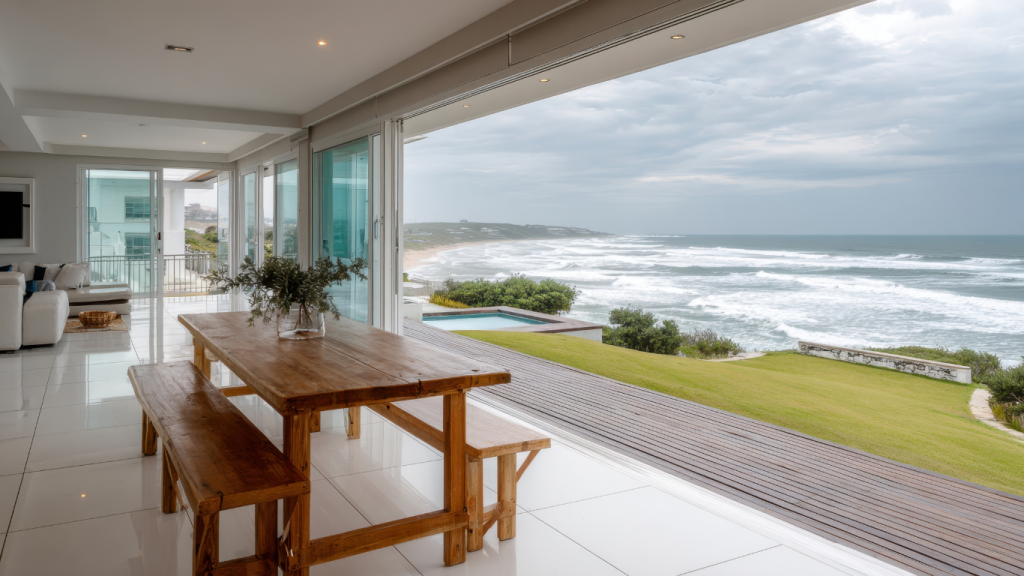


San Diego’s coastal lifestyle offers endless sunshine and gentle breezes that create an idyllic environment for residents. However, proximity to the Pacific Ocean does have some risks, particularly for your roof. The combination of intense UV exposure, air saturated with salt, fluctuating humidity, and high wind accelerates material degradation. San Diego roofing along the coast typically has shorter lifespans than those built inland.
Homeowners who are concerned about the possibility of salt air roof damage should invest in regular inspections and maintenance. At Ford Roofing, we provide detailed quotes, inspection reports, and repair estimates so you can make the best financial decision for your family. Your roof is the first line of defense between the outside world and what you value most. Let Ford Roofing help you protect your home so you can enjoy the peace of your coastal property.
Can Prolonged UV Exposure Damage Roofs?
With approximately 260 sunny days each year, San Diego’s weather exposes coastal roofs to unrelenting UV rays that penetrate the roofing materials. Over time, ultraviolet radiation breaks down chemical bonds, leading to premature aging. The structural integrity of asphalt shingles becomes compromised, which causes cracking, curling, and granule loss. The damage gradually reduces the home’s aesthetic appeal and protective abilities.
UV rays also affect the waterproofing capabilities of most roofing materials, allowing water to seep in during rainy periods. Many homeowners plan ahead for roof replacement so they are fully prepared. Unfortunately, relentless UV exposure can damage roofs so badly that homeowners are forced to pay for a full replacement, several years ahead of schedule.
How Does Salty Sea Air Affect Roofing Materials?
The Pacific Ocean’s spray carries microscopic salt particles miles inland, blanketing roofs in a corrosive film that destroys metal elements such as flashing, vents, nails, and gutters. Salty sea air can accelerate oxidation, damaging stainless steel hardware and becoming embedded in shingles and tiles. In high-salt zones near the shore, the onslaught of salt can double the rate of corrosion compared to inland homes.
Homeowners may notice rust stains and leaks as warning signs that external damage has extended into the home. Salt deposits also draw moisture in the crevices of roofs, triggering expansion and contraction that break down materials from within. Without prompt repair, the warning signs can quickly develop into serious issues that reduce your roof’s lifespan significantly, sometimes by half.
How Do Moisture and Temperature Impact Roofs?
San Diego’s Mediterranean climate delivers mild winters with high humidity and occasional downpours. Fog and dew can infiltrate the micro-cracks caused by UV and salt damage. High moisture levels saturate roofing underlays, encouraging algae, moss, and mold growth that trap water and degrade wooden components.
Significant temperature shifts of 10-20 degrees Fahrenheit cause materials to expand and contract, putting stress on materials until they become loose or fail entirely. As this process repeats day after day, shingles can become damaged, and wood can warp. Tiles may develop tiny cracks that create entry points for moisture, encouraging invisible rotting that proliferates throughout the roof.
Can High Winds and Storms Seriously Damage Roofs?
Though San Diego rarely faces hurricanes, coastal winds averaging 10-20 mph with gusts to 40 mph during Santa Ana events exploit weakened roofs by lifting the edges of shingles damaged by UV and flashing corroded by salt. Aerodynamic pressures create uplift forces that pry materials loose, allowing rain to enter the roof and saturate insulation and ceilings. In exposed waterfront homes, saltwater is driven directly into the roofs.
Even moderate storms can reveal roof vulnerabilities. For example, compromised shingles shed granules and develop bald patches that are much weaker than other parts of the roof. The erosion caused by environmental stressors compounds the need for high-quality roof builds. Roofs must be engineered to resist the elements and survive the demands of the coast.
Why Is Maintenance Critical for Coastal Roofs?
Vigilant biannual inspections by certified professionals, like our team at Ford Roofing, can identify subtle UV damage, salt pitting, or moisture stains before they escalate. Using the information we gather, we can perform routine maintenance or more extensive repairs to extend the lifespan of your roof.
Regular maintenance that you can perform includes routine roof washing to remove salt and trimming overhanging trees to limit debris. Integrating smart tech like moisture sensors provides early warnings, giving you the information you need to protect your roof. By choosing resilient materials, scheduling routine maintenance, and working with professionals, you can protect your roof from catastrophic failures.
How to Find a Trusted San Diego Roofing Partner
If you’re looking for expert residential roofer in San Diego, contact Ford Roofing. We have decades of experience in San Diego, building, maintaining, and repairing coastal and inland roofs. We understand how San Diego’s weather affects roofs and how the salty air should impact your material choices. We also provide inspections to help you identify the damage so we can repair it before you have to deal with extensive damage.