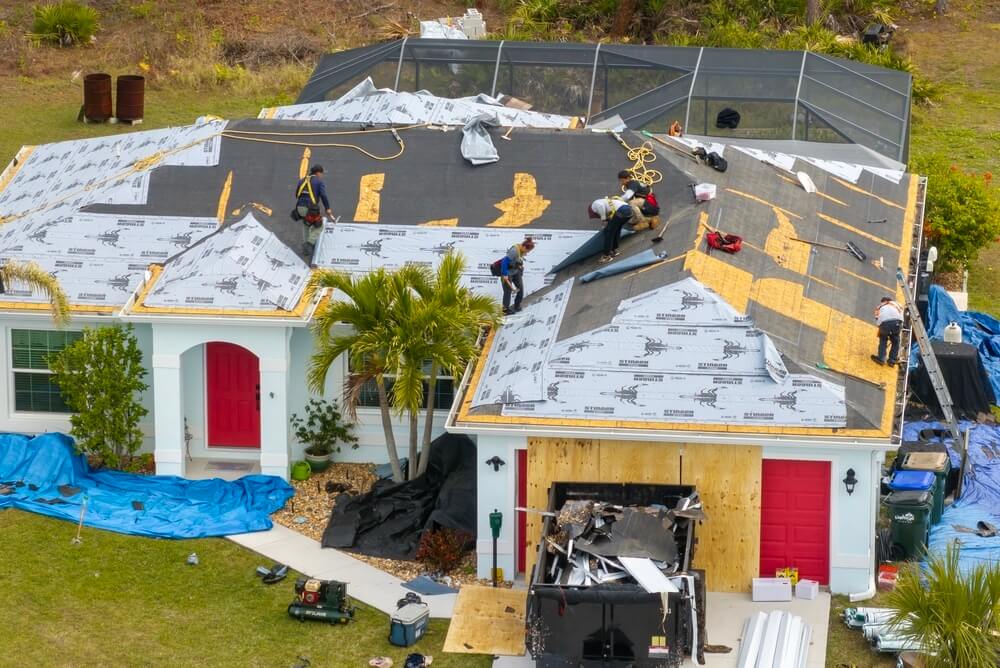


San Diego homeowners cherish their coastal lifestyle, but the local environment presents unique challenges that affect property upkeep. Salt air and intense UV rays result in the steady degradation of roofing materials over time. The condition of your roofing system can have a significant impact on your homeowners’ insurance policy. Recent shifts in the California insurance market have made carriers far more selective about the risks they accept.
Insurance Requirements
A national homeowners’ insurance analysis (drawing on Insurance Information Institute data) reports that 34% of all homeowners’ insurance claims are caused by wind and hail, making them the single most common claim type. That directly ties weather to a huge share of roof‑related losses.
Insurance providers in California are limiting new business or leaving the state entirely due to increased environmental risks and financial demands. The remaining companies hold all the power and use strict guidelines to protect their bottom line. An aging roof is a liability for water damage claims, which are expensive for any insurer to resolve. Neglecting necessary upgrades can result in insurance non-renewal for your roof in San Diego.
Homeowners who can’t be traditionally insured must rely on the California FAIR Plan, which usually provides less coverage at a much higher cost. Furthermore, aging roof materials are a breach of the “duty to maintain” clause found in most insurance contracts. Most policies provide coverage for sudden, accidental damage, not the predictable effects of years of neglected wear and tear.
If a storm occurs and an old roof fails, the adjuster may deny the claim due to a lack of maintenance. In the eyes of most insurers, a roof that has exceeded its expected lifespan is no longer a candidate for full replacement coverage. Understanding when to replace a roof for insurance in California depends largely on the specific material. Yet, the window for action is getting shorter every year.
Failing to meet policy requirements can result in limited coverage options, with repair payouts capped far below actual costs. Homeowners who ignore early signs of damage, like curled edges or debris buildup, face challenges when it’s time to file a claim. By reviewing your policy annually, you will gain clarity on requirements such as your homeowners insurance roof age limit, so you can address issues before they jeopardize your coverage.
When Do Insurance Providers Force Roof Replacement?
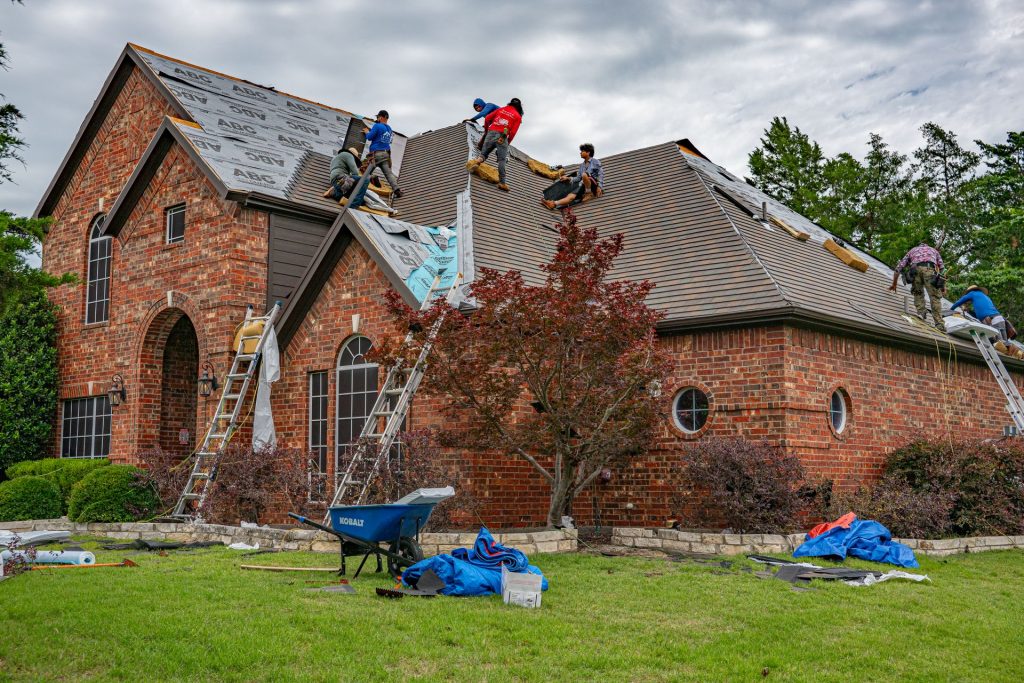
Asphalt shingle roofs are closely scrutinized once they cross the fifteen-year mark. While the shingles might look acceptable from the ground, the underlying fiberglass mat becomes brittle due to constant thermal expansion and contraction. There are strict roof-age insurance requirements in California that insurers use to determine whether covering a property is too risky. Many insurers mandate a full replacement once a roof system reaches 20 years of age.
Proactive replacement allows you to shop for the best insurance rates rather than being forced into a high-risk pool. Insurance premiums will increase if your roof is made of inferior materials that are prone to premature damage. Homeowners may encounter issues after a storm, with a claim investigation revealing neglect, leading to settlements that barely cover roof repairs. Clearing gutters, resealing vents, and regular inspections demonstrate care and can sway decisions.
Roof Underwriting Inspections
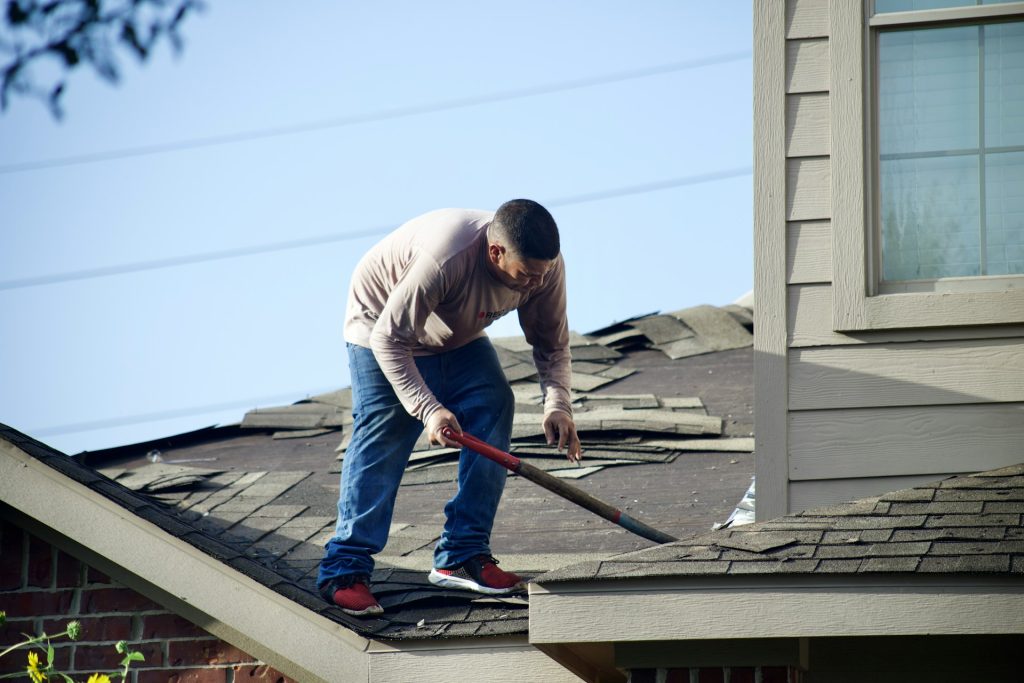
A roof underwriting inspection is a key tool that insurers use before issuing or renewing policies, involving detailed photos and condition reports. Roof assessments flag issues like wind damage, algae growth, or inadequate ventilation. Expect inspectors to document cracks, granule loss, and flashing integrity to gauge remaining lifespan. In San Diego, roof replacement requirements for insurance coverage depend on the inspection report.
If roofing issues are flagged, you’ll receive remediation demands with strict deadlines before your policy will be approved or renewed. Arranging a professional pre-inspection from a local roofer provides data to challenge findings and extend coverage. A pre-inspection report is evidence that your home is in good standing before the insurance company sends its own representative. The more data you have, the better.
Dealing With Policy Renewal Denials
The financial consequences of a policy cancellation extend far beyond the cost of a new roof. Most mortgage lenders require active hazard insurance as a condition of the loan agreement. If a policy is canceled and the homeowner can’t find a replacement quickly, the lender will purchase force-placed insurance. Force-placed policies are notoriously expensive and only protect the lender’s interest, leaving the homeowner’s personal belongings unprotected.
Professional Support for Maintaining Your Roof
When homeowners are informed about insurance regulations, they can prepare for inspections and stay on top of regular maintenance. Keeping your roof in pristine condition can help you avoid premium increases, denied claims, and non-renewals. At Ford Roofing, we provide expert roofing maintenance, repairs, and inspections to help you extend the lifespan of your roof and meet insurance requirements.
If you’re planning to apply for coverage or renew your policy, contact us to schedule an inspection so we can provide an unbiased professional assessment. If we find anything, we can arrange repairs so you are fully prepared for your underwriting inspection. We’re here to help you make sure your roof is in order so you maintain coverage and you’re protected in emergencies.