

You’ve noticed that your roof shingles are starting to curl at the edges, or maybe you want to proactively plan for a roof replacement so you aren’t caught by surprise when the time comes. Either way, you need to know what a realistic asphalt shingle lifespan is.
Most asphalt shingle roofs last for 15-20 years depending on the shingle type, installation quality, and local climate conditions. This article discusses lifespan by type, the factors that affect longevity, San Diego-specific climate considerations, signs of wear, and how the team at Ford Roofing can help.
Asphalt Shingle Roof Lifespan by Type
Not all asphalt shingles are the same, and their lifespan varies across the three main types. Let’s look at how three-tab, architectural, and luxury shingles compare in terms of realistic and manufacturer-rated lifespans.
| Shingle Type | Realistic Lifespan | Manufacturer-Rated Lifespan |
| Three-Tab | 15- 20 years | 20–25 years |
| Architectural | 22–25 years | 30 years |
| Luxury | 30+ years | 30–50 years |
Three-Tab Shingles
Three-tab shingles are the entry-level option: flat, lightweight, and uniform in appearance. They have a realistic lifespan of 15 to 20 years. They’re the most affordable choice available, but also the least durable of the three types, offering the lowest wind and impact resistance.
Architectural Shingles
Architectural shingles, also called dimensional shingles, are the most commonly installed roof type in San Diego. Made of multiple bonded layers, these shingles have a textured, high-end appearance without sacrificing wind and impact resistance. Architectural shingles typically last for 22 to 25 years with proper care.
Luxury Shingles
Luxury shingles are built thicker and designed to mimic the appearance of natural slate or cedar shake. Some manufacturers back their luxury shingles with warranties of 30 to 50 years, including proper installation and maintenance. The higher upfront cost is often worth it for homeowners considering how long they last compared to other roof materials.
What Affects the Lifespan of an Asphalt Shingle Roof?
The manufacturer-rated lifespan of a roof material is the best-case scenario in ideal conditions. Real-world performance depends on a variety of factors, any of which can make your roof lifespan longer or shorter than its expected range.
Installation Quality
Improper nailing patterns, inadequate underlayment, and poor flashing installation are the most common causes of premature shingle failure. A properly installed roof from a licensed contractor is the biggest factor that impacts whether a roof will reach its manufacturer-rated lifespan.
Attic Ventilation
Poor attic ventilation traps heat and moisture, which degrades the shingles and adhesive from within. Building codes require a good balance of intake and exhaust ventilation, which directly impacts shingle longevity by keeping the roof deck cool and dry.
Material Selection
Higher-grade shingles with heavier granule coatings, better UV resistance, and stronger adhesive strips outlast budget options even under identical conditions. Manufacturer-backed products also come with tested performance data, giving you a more reliable picture of expected durability before you commit.
Maintenance and Inspections
Regular inspections done every 12-24 months catch early signs of wear, failed flashing, and gutter issues before they cause interior damage or speed up shingle deterioration. Addressing small problems early is far cheaper than the water damage resulting from ignored minor issues.
Geographic Variation
Roofs in shaded areas with heavy tree cover accumulate moss and debris that trap moisture and break shingles down faster. Meanwhile, south-facing slopes in high-UV environments experience accelerated granule loss, which means that two sides of the same roof can age at very different rates.
Climate and Storm Impact
High winds, heavy rain, and hail cause direct physical damage to shingles. Beyond the immediate harm, unaddressed storm damage can void manufacturer warranties. Santa Ana winds in particular can lift and tear shingles that aren’t properly sealed and fastened.
How Does San Diego’s Climate Affect Asphalt Shingle Lifespan?
San Diego’s coastal climate creates environmental challenges for asphalt shingles that make their lifespan deviate from national averages. Coastal properties in areas like La Jolla and Chula Vista generally wear down faster and have a shorter service life than similar inland homes. Constant salt exposure and year-round intense UV steadily break down shingle materials.
San Diego’s high UV exposure causes more rapid oxidation of the asphalt than in cooler or cloudier climates. UV-resistant shingle coatings are particularly important for San Diego homeowners who want their roofs to reach the maximum possible lifespan as rated by the material manufacturers.
How Often Should a Shingle Roof Be Replaced?
Replacement planning for asphalt shingles should start at the 20-year mark regardless of the visible condition. Internal degradation begins long before there are visible signs. Three-tab shingles should be evaluated at 15 years, architectural shingles at 20-25 years, and luxury shingles at 30 years. Professional inspections provide a more accurate picture of the condition of your roof than the age alone. Inspections are a critical part of roof maintenance.
Signs Your Asphalt Shingle Roof Needs Replacement
A single damaged shingle rarely means it’s time for a new roof. But when multiple signs appear together, it’s time to start looking into whether spot repairs or replacement would be more economical in the long run.
Visible Shingle Damage
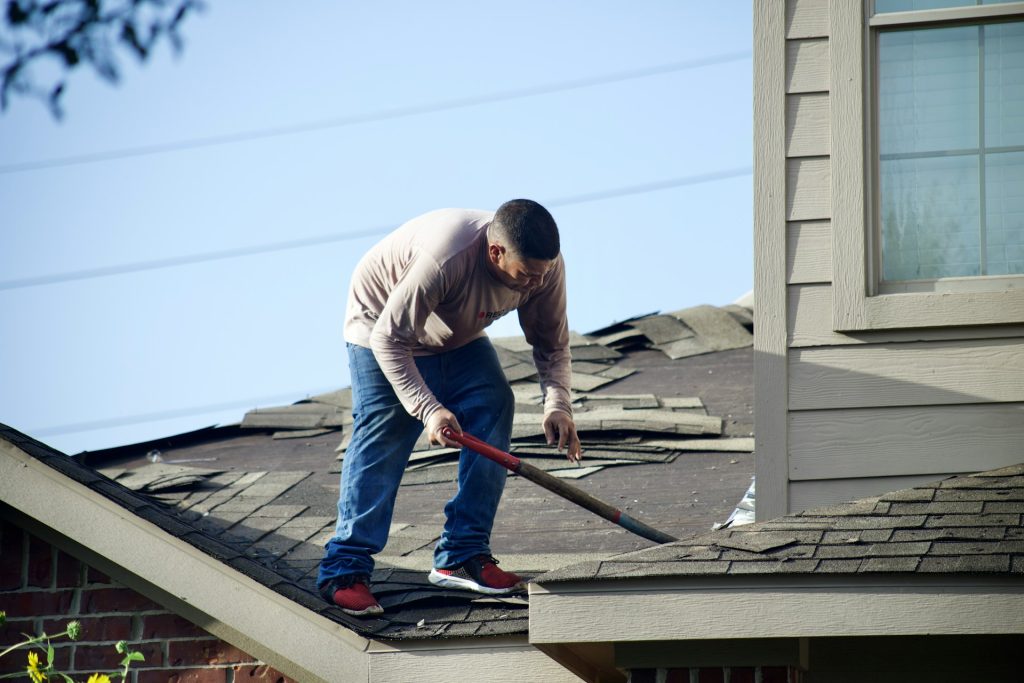
Curling, cupping, cracking, and missing shingles are indicators of advanced weathering. When shingles curl across the roof surface rather than in one isolated spot, it points to systemic failure and signals that the roof as a whole is nearing the end of its lifespan.
Granule Loss
Granules collecting in your gutters or visible bare patches on the shingles themselves mean that the shingles have lost their protective UV layer. Once that granule coating wears away, the asphalt underneath deteriorates quickly, and the roof is approaching the end of its useful life.
Interior Water Damage
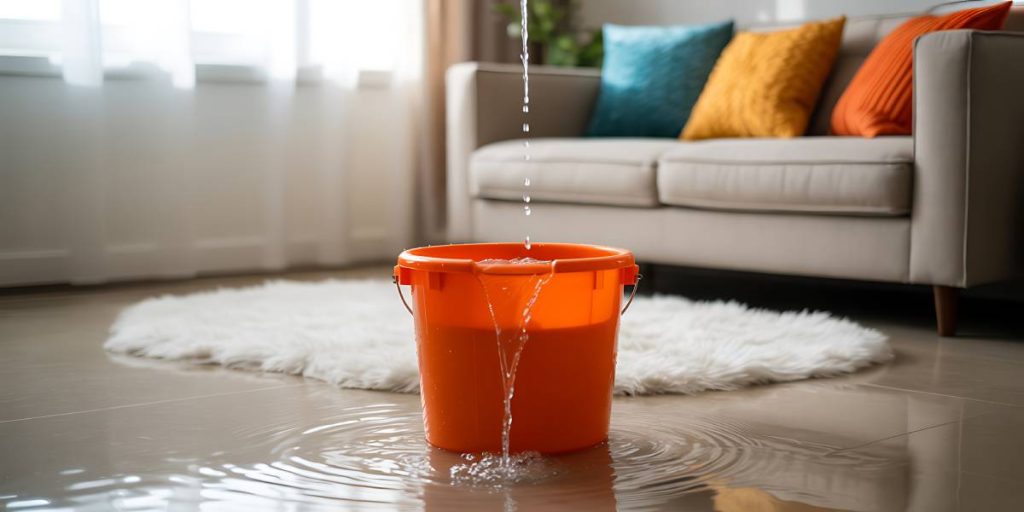
Water stains on ceilings, attic moisture, or active leaks show that the roof’s waterproofing has been compromised. These symptoms often require immediate professional assessment, because water intrusion can spread to framing, insulation, and drywall long before it becomes visible inside the home.
Age of the Roof
A roof approaching or past its type-specific realistic lifespan should be evaluated by a professional even without obvious visible damage. Degradation progresses internally before any symptoms appear, so age alone is reason enough to schedule a thorough inspection.
How to Maximize the Lifespan of Your Shingle Roof
A few consistent roof care habits go a long way. Schedule professional inspections annually and after major storms, keep your gutters clean, and trim overhanging branches that drop debris on your roof. Make sure that ventilation in your attic is adequate and address minor repairs immediately before they cause extensive damage. Ford Roofing offers roof inspections across San Diego County and can identify issues early, before they shorten your roof’s useful life.
Why Choose Ford Roofing for Asphalt Shingle Roof Replacement?
A shingle replacement is only as good as the installation behind it. Ford Roofing’s licensed crew handles every job without subcontractors, ensuring consistent, accountable workmanship from the first nail to the final cleanup so your roof reaches the full lifespan it was built for. Our credentials speak for themselves: CSLB licensed (#1118963), BBB A+ rated, serving San Diego County since 1987, with 2,000+ homeowners served and a 100% satisfaction guarantee. Ready to protect your home? Contact us to discuss your roof with one of our experts.