

Driving through any neighborhood in La Jolla, Chula Vista, or North County, you’ll see stunning Spanish-style tile roofs everywhere. Homeowners hear that tiles can last for 50 to 100 years, and they assume they’re set for life. However, your roof is more than the outer tiles; there is an entire system beneath the surface that has a different lifespan. Due to California’s heat and intense UV, the underlayment that prevents moisture from penetrating your roof becomes brittle and prone to developing small cracks and holes.
Knowing the difference between how long your tiles will last versus how long your underlayment can last is key to preventing leaks, structural moisture damage, and sudden catastrophic failures. This article helps homeowners better understand roofing systems, material lifespans, and maintenance responsibilities.
Concrete vs. Clay Tiles
Before we can discuss hidden roofing issues, we need to distinguish between the two tile types. Clay tiles are the classic, warm-toned barrel tiles you picture when you imagine the beautiful homes in Southern California. High-quality clay tile roofs can easily last for 50 to 100 years. Clay tiles are also resistant to salty sea air, making them a popular choice in coastal communities. Clay is, however, the more brittle tile type, and it cracks easily if someone steps on it.
Concrete tiles are a more cost-effective, modern alternative to clay tiles that have become very popular in new San Diego homes. Concrete tiles typically last 40 to 50 years and perform very well in the California heat. Concrete tiles aren’t as durable as clay tiles, and they can become discolored over time, but they are still one of the best roofing options if clay tiles are out of your budget. If clay and concrete tiles last for such a long time, why do so many tile roofs start leaking at the 25-year mark? The answer lies beneath the tiles.
Why Your Tile Underlayment Fails First
Here’s what most homeowners don’t know about their roofs: a tile roof is not actually waterproof. It’s a water-shedding roof material placed on top of a separate waterproof barrier. The tiles themselves act as external armor that deflects the sun’s UV rays, sheds most rainfall, and adds the finishing touch to your home’s beautiful exterior. The actual waterproofing layer that stops water from reaching the roof deck and ceiling lies under the tiles. This material, called underlayment, is usually made from felt or a synthetic membrane.
The San Diego climate can be punishing for roof underlayments. Decades of relentless UV bake the underlayment from above, while heat from the attic heats it from below. Standard felt layers can’t survive the intense heat indefinitely. Over 20 to 25 years, the underlayment dries out, becomes brittle, cracks, and eventually starts crumbling. Once the underlayment has failed, the countdown to interior damage starts immediately.
Water can easily slip through a hairline crack in a tile. If it lands on a disintegrating underlayment, it seeps into the roof deck and shows up as a stain on your walls or ceiling. The roof still looks perfect from the curb. However, the reality is that the underlayment is a second, “hidden roof” that will almost always need to be replaced before the tiles above it.
What is a Lift and Reset, and Can it Save You Money?
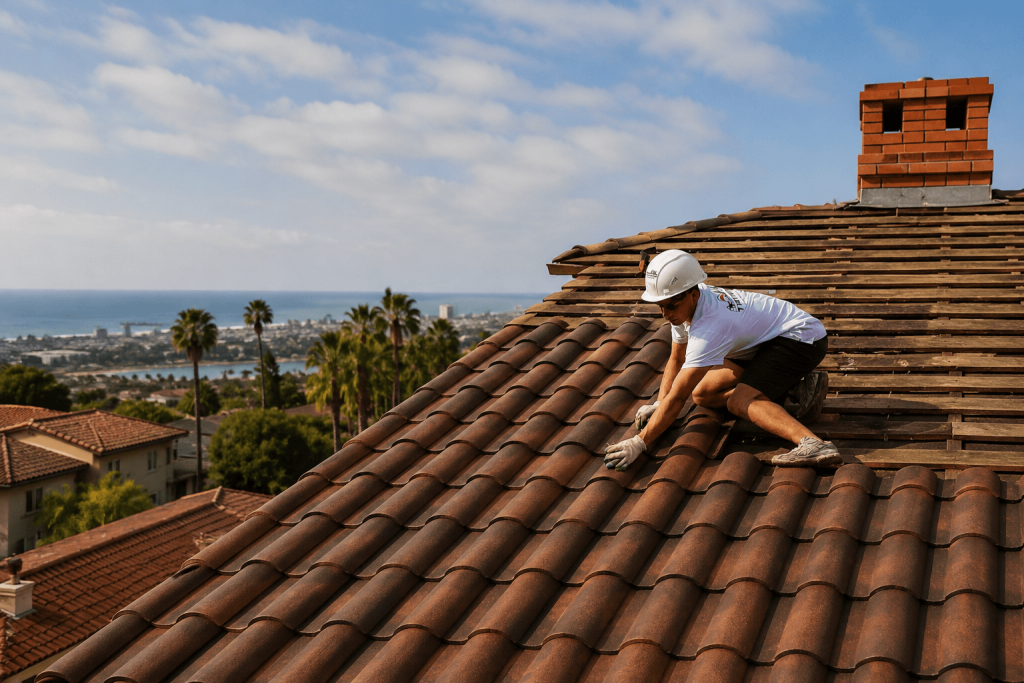
Here’s what most homeowners are never told: when your underlayment fails, you don’t need to replace your entire roof. At Ford Roofing, we’re far more interested in keeping your roof healthy and your home safe than upcharging you for an unnecessary replacement. We offer tile removal and reinstall (R&R) services, also known as a lift and reset. If your existing clay or concrete tiles are still structurally sound, which quality tiles usually are, we can restore the underlayment.
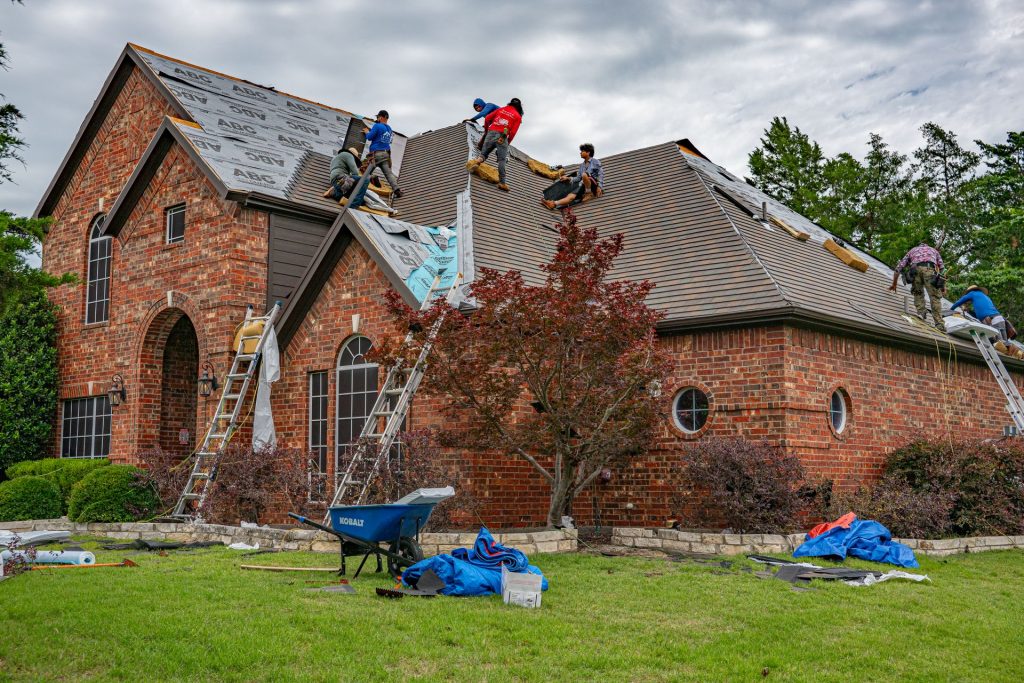
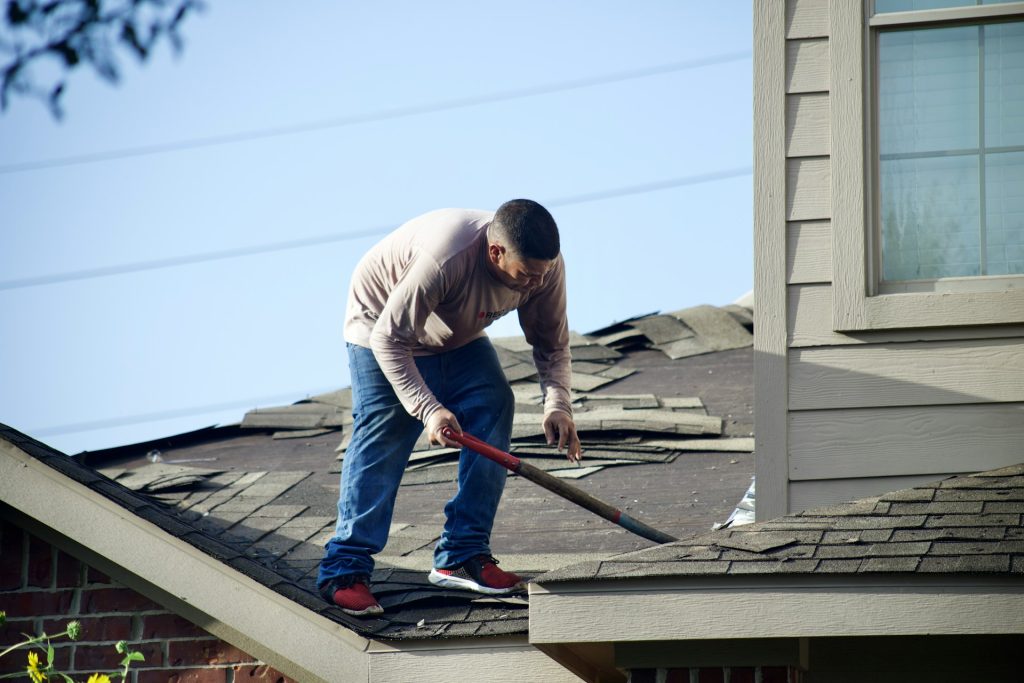
We carefully detach the tiles and stack them safely to the side. We then remove the old underlayment and inspect the roof decking for any signs of rotting, mold, or water damage. The next step is installing a premium, modern underlayment and replacing your original. If needed, we may replace a few cracked or loose tiles caused by rough weather. Because you’re reusing the most expensive component, a lift-and-reset service can save homeowners roughly 30%-40% compared to paying for a full roof replacement.
Local Factors That Shorten Your Tile Roof’s Lifespan
Even well-built, high-quality tile roofs in San Diego must survive the harsh environment, wear and tear, and the structural issues present in some homes.
- Salty Coastal Air: In beach communities like Ocean Beach and Encinitas, the high salt concentration in the air corrodes metal flashing and valley fasteners, which can cause structural failure even if the tiles are in good condition.
- Poor Attic Ventilation: An under-ventilated attic traps summer heat against the underside of your roof deck. The heat builds up and speeds up the material degradation process, aging your underlayment from within.
- Foot Traffic: Unskilled solar panel installers, painters, and satellite or cable technicians can step on the wrong parts of the tile arches. Cracked and broken tiles are unfortunately a common risk when non-roof contractors walk on your roof tiles.
Signs It’s Time to Call Ford Roofing San Diego
The signs that your roof needs attention aren’t always as obvious as a massive leak. There are more subtle indicators that can show you when you need to call in the experts.
- White efflorescence (salt buildup) or heavy water stains on the underside of the roof deck or along your eaves are a clear sign that water is getting past the tiles.
- Slipped, displaced, or rattling tiles after a heavy wind event create direct paths for water intrusion.
- If your roof was built or last repaired 20-to-25-years ago, your underlayment is most likely in need of replacement. If you leave it too long, water damage will spread throughout the structure of your roof until it requires full replacement.
Don’t Let the Hidden Clock Run Out: Extend Your Tile Roof’s Lifespan With Ford Roofing
Don’t wait until rainy season exposes a failing 25-year-old underlayment. At Ford Roofing, we offer specialized roof inspections to spot issues with your tiles and the structure beneath them, including the condition of your underlayment and flashing.
You’ll get a clear, honest assessment of anything that looks concerning, along with practical repair options tailored to your roof. Whether it’s a minor fix, a cost-saving lift-and-reset, or a full replacement and modernization, we’ll walk you through the best path forward.
Why Ford Roofing
We have over three decades of experience building and repairing roofs in San Diego. While tiles can last for 50 or more years, don’t underestimate the importance of maintenance. Your roof is the main line of defense between you and the intensity of the California sun and unexpected weather events. It’s one of the most important parts of your home, so don’t wait until it’s too late. Get in touch with our team to schedule a comprehensive inspection.